Country guide

Snakes of the United States

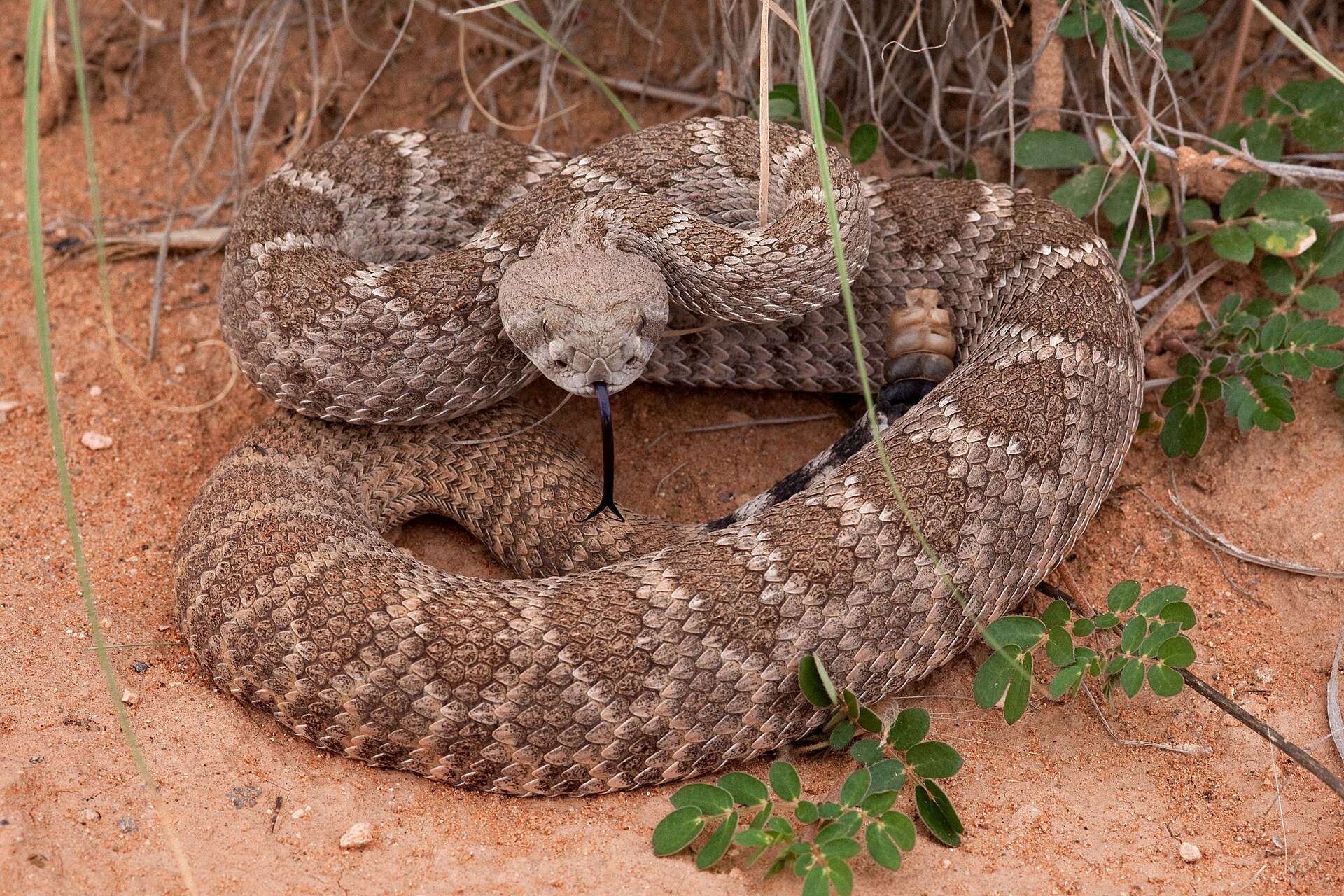
An estimated 7,000–8,000 people are bitten by venomous snakes in the United States each year, but only about five of them die. The WHO ranks pit vipers (rattlesnakes, copperheads and cottonmouths) as the country's most medically important snakes, while coral snakes cause fewer than 100 reported bites a year.

7,000–8,000

people bitten by venomous snakes each year1

~5

deaths from venomous snakebite a year1

8

species in WHO's top medical-importance category2

If someone is bitten

Call now. Then go to hospital.

Antivenom is given in hospitals. Don’t wait for symptoms.

  • Australia

    Australian first aid for snakebite uses a pressure immobilisation bandage and splint, and advises not washing the bite.

  • Bangladesh

    A 2017 study noted that the Indian polyvalent antivenom used in Bangladesh is not made from the venoms of local species such as the monocled cobra, and it did not prevent local tissue damage from cobra bites.

  • Brazil

    Antivenom is free in Brazil's public health system (SUS), but it is only given in hospital, at reference hospitals chosen by each state.

  • India

    Indian polyvalent antivenom is raised against the 'Big Four' and may not neutralise some regional species, such as the monocellate cobra in the North-East and the hump-nosed pit viper in the south-west.

  • Indonesia

    Indonesia's own antivenom, made by Bio Farma, is raised against only three species (Javan spitting cobra, banded krait and Malayan pit viper), so it may work poorly for bites by other snakes such as green pit vipers.

  • Kenya

    Antivenom is usually stocked only at hospitals and some health centres, so people bitten in rural areas often need to be referred, and delays are common.

  • Mexico

    Mexico's public health system uses two anti-viper antivenoms; one is made from the venoms of the terciopelo and the Mexican west coast rattlesnake.

  • Nepal

    100 is the police emergency number; call 102 for an ambulance.

  • Nigeria

    Antivenoms made from Nigerian snake venoms (EchiTAb G and EchiTAb-Plus-ICP) have proved effective in clinical trials, while some imported antivenoms made from non-African snake venoms have proved ineffective.

  • Pakistan

    Rescue 1122 handles ambulance and fire emergencies; the police number is 15.

  • Philippines

    The only antivenom made in the Philippines is Philippine Cobra Antivenom, raised against the Philippine cobra; there is no locally made antivenom for pit viper bites.

  • South Africa

    112 works for all emergencies from a mobile phone; 10177 is ambulance and fire, and 10111 is police.

  • Sri Lanka

    119 (or 118) is the police emergency number; call 1990 for an ambulance.

  • United States

    For free, expert 24/7 advice you can also call Poison Help on 1-800-222-1222, but call 911 in an emergency.

Not listed? Call your local emergency number.

Look-alikes

Dangerous or harmless?

Harmless snakes are often killed because they look like dangerous ones. Learn the differences, and still never handle a snake.
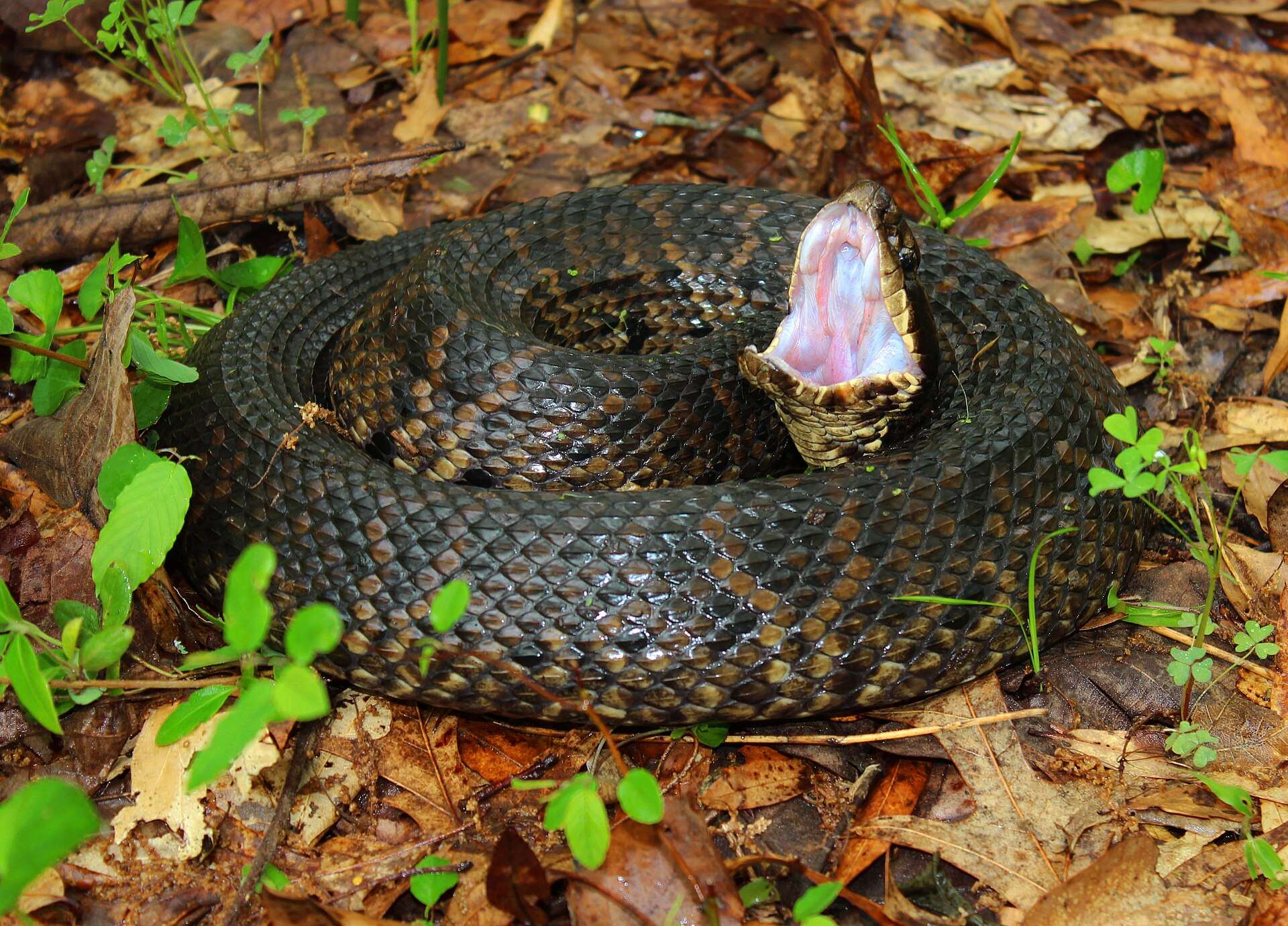
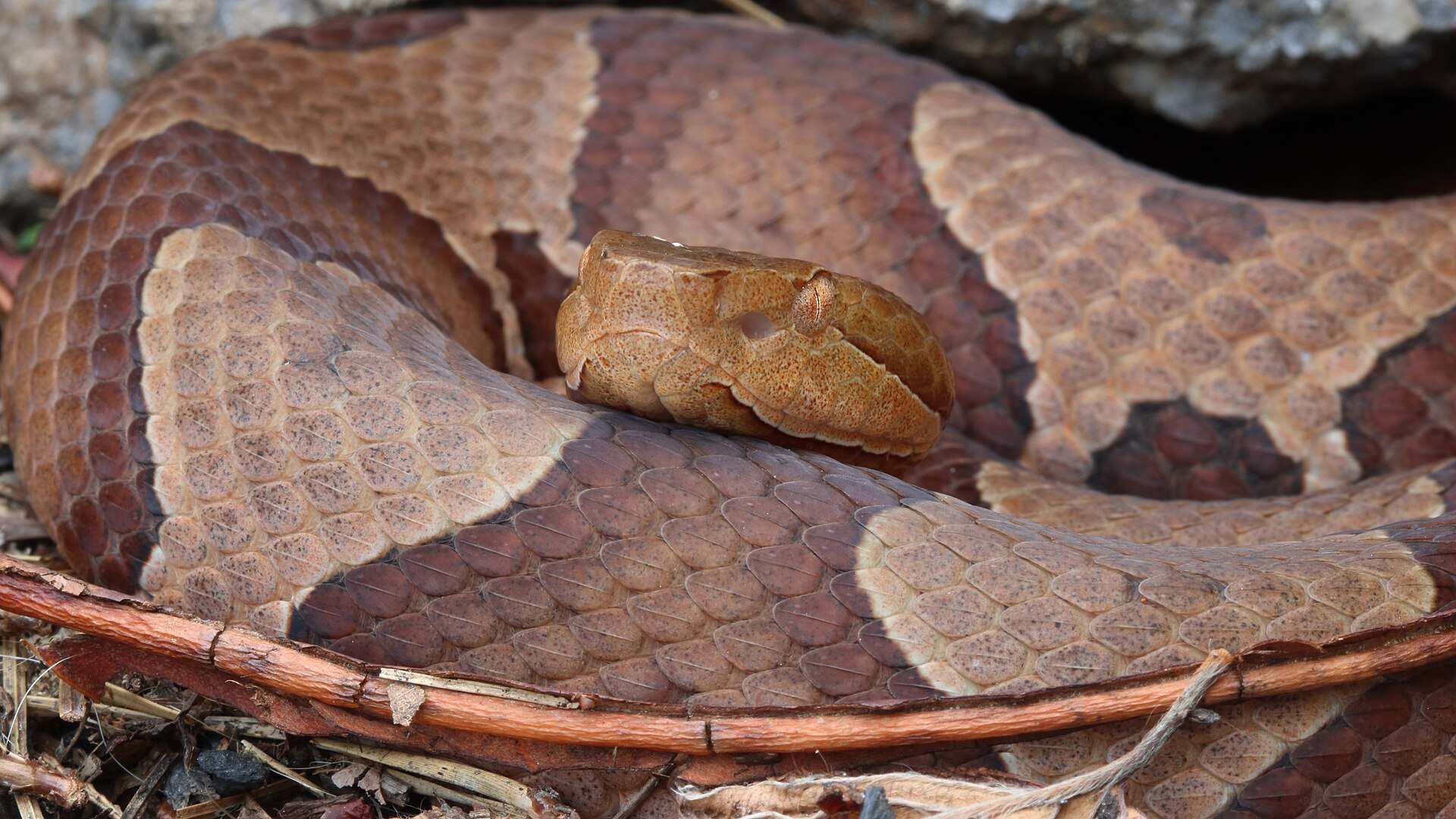
Copperhead coiled on leaf litter in Pennsylvania, its plain coppery head resting on pinkish-tan coils crossed by dark chestnut hourglass bands
Medically significant

Copperhead

Agkistrodon contortrix

A stout pit viper with tan to pinkish-brown bands and darker hourglass-shaped crossbands, and a plain coppery head. It is common in woods and on rocky hillsides of the eastern United States.

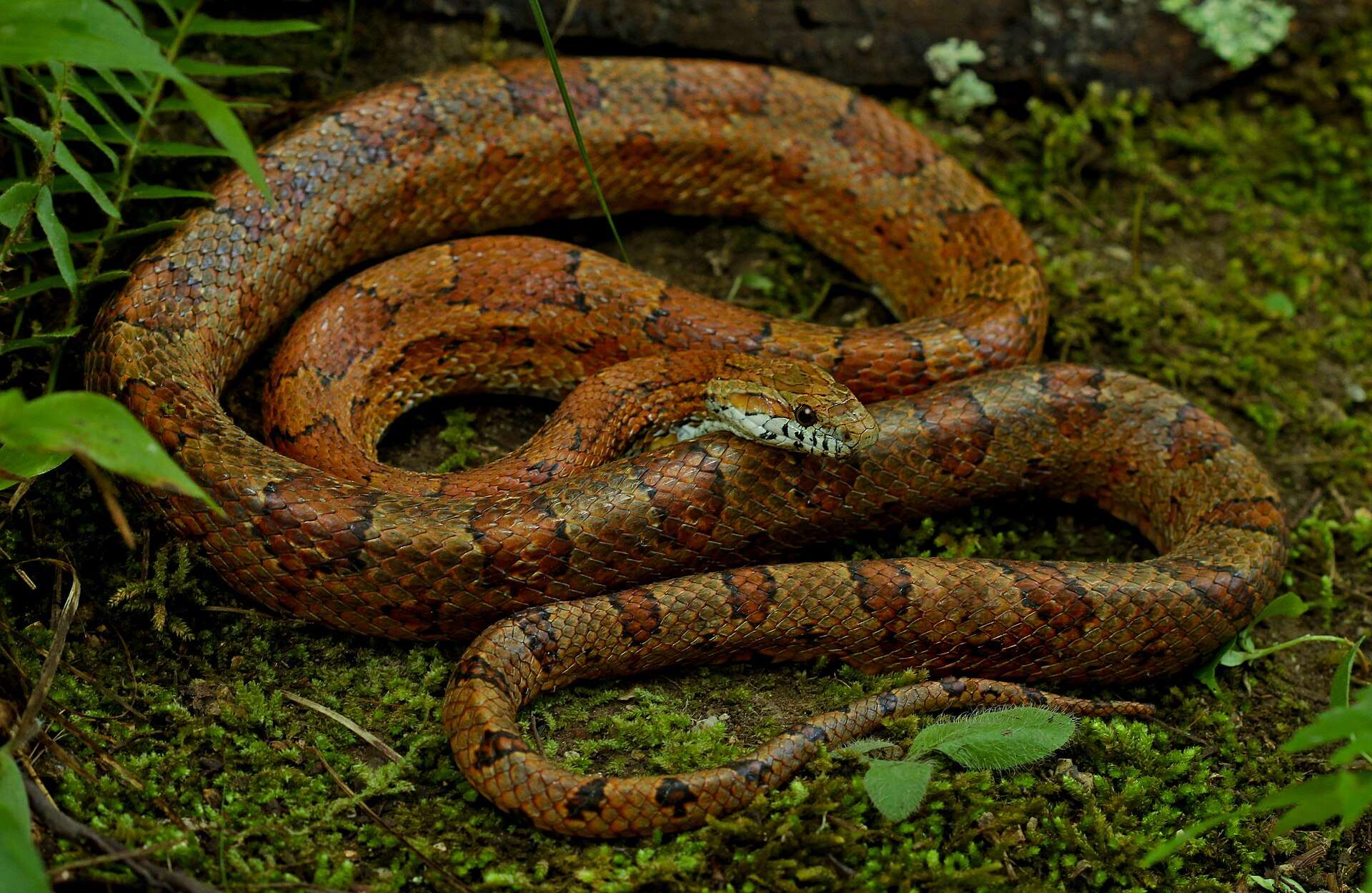
Wild corn snake coiled on moss in Tennessee, its reddish-brown body marked with black-edged blotches and its white lips edged in black
Non-venomous

Corn snake

Pantherophis guttatus

A slender orange, red or brown snake of the south-eastern United States, with black-edged reddish blotches and a black-and-white checkered belly. It is harmless and one of the most popular pet snakes.

Copperhead coiled on leaf litter in Pennsylvania, its plain coppery head resting on pinkish-tan coils crossed by dark chestnut hourglass bands
Medically significant

Copperhead

Agkistrodon contortrix

A stout pit viper with tan to pinkish-brown bands and darker hourglass-shaped crossbands, and a plain coppery head. It is common in woods and on rocky hillsides of the eastern United States.

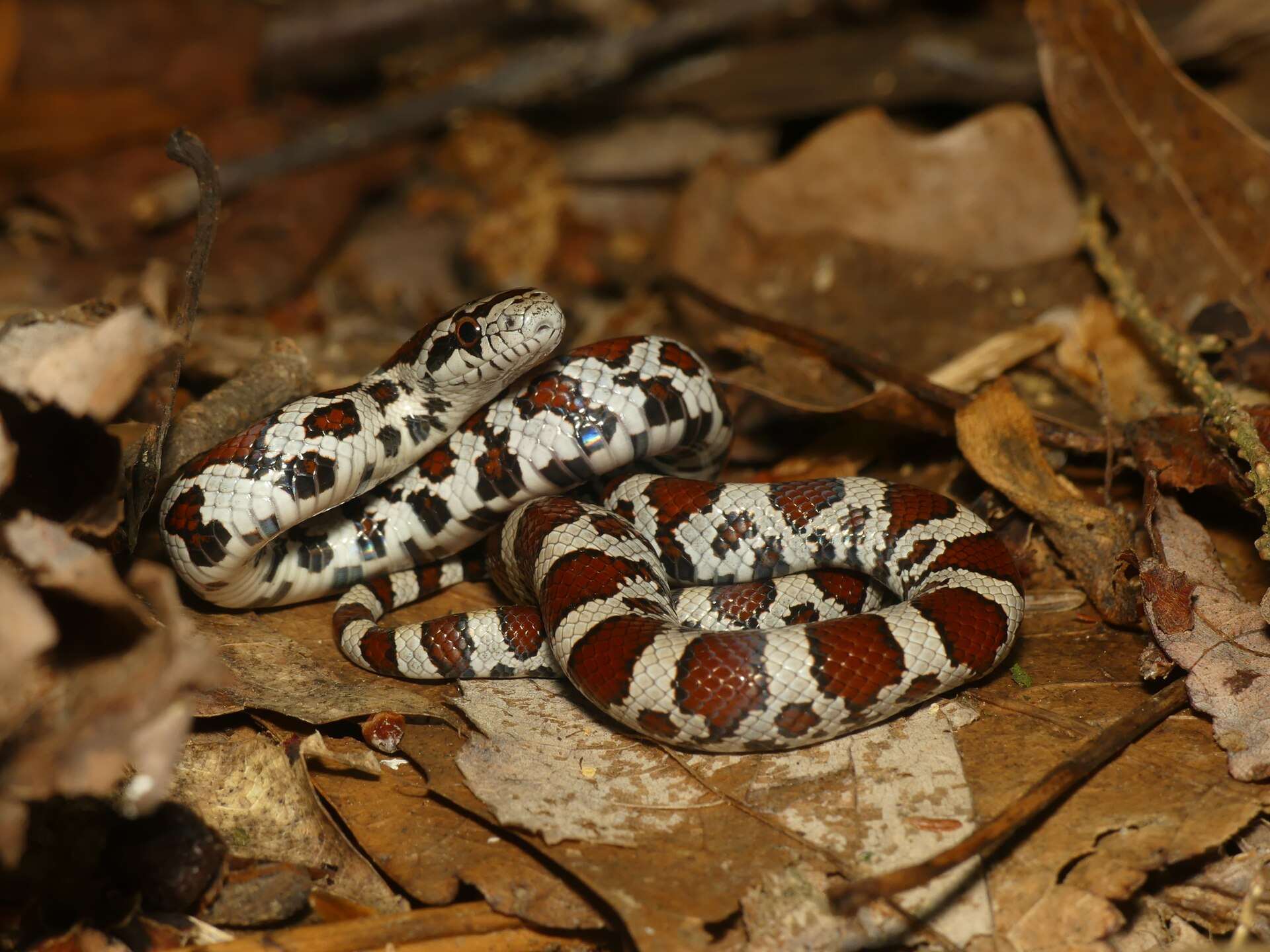
Eastern milksnake coiled on dead leaves in Ohio, with black-edged reddish-brown blotches on a pale grey and white body
Non-venomous

Eastern milksnake

Lampropeltis triangulum

A slender, harmless snake of eastern North America, grey or tan with black-edged, reddish-brown blotches and a black-and-white checkerboard belly. It often lives around barns and houses, where it hunts mice.

Copperhead coiled on leaf litter in Pennsylvania, its plain coppery head resting on pinkish-tan coils crossed by dark chestnut hourglass bands
Medically significant

Copperhead

Agkistrodon contortrix

A stout pit viper with tan to pinkish-brown bands and darker hourglass-shaped crossbands, and a plain coppery head. It is common in woods and on rocky hillsides of the eastern United States.

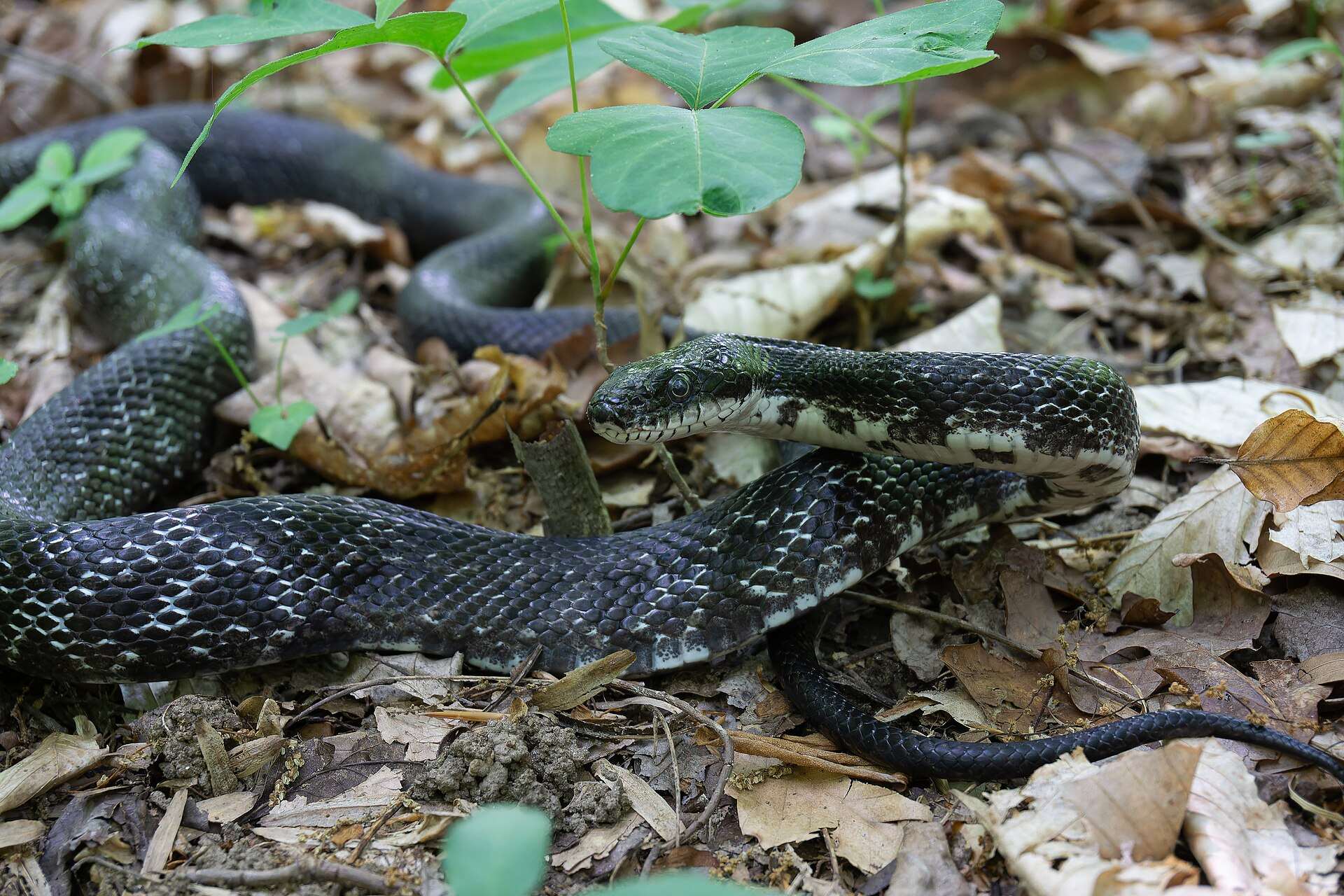
Black eastern rat snake moving through leaf litter in Rock Creek Park, Washington, D.C., showing its white lips and throat and faint pale flecks between the scales
Non-venomous

Eastern rat snake

Pantherophis alleghaniensis

A large, glossy black snake of eastern North America with a white chin and a checkered belly; the young are grey with dark blotches. It climbs well and is often found around woods, farms and barns.

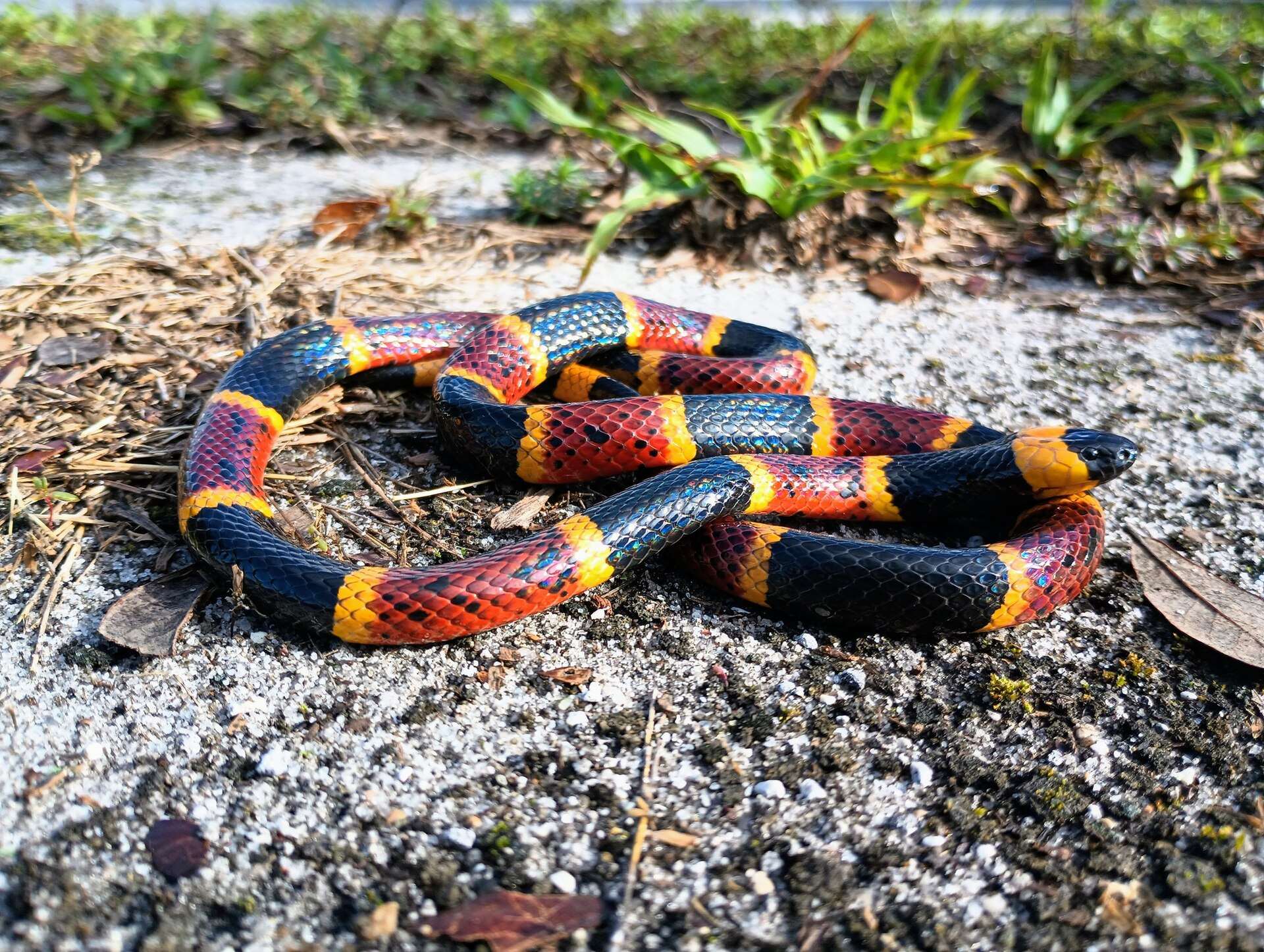
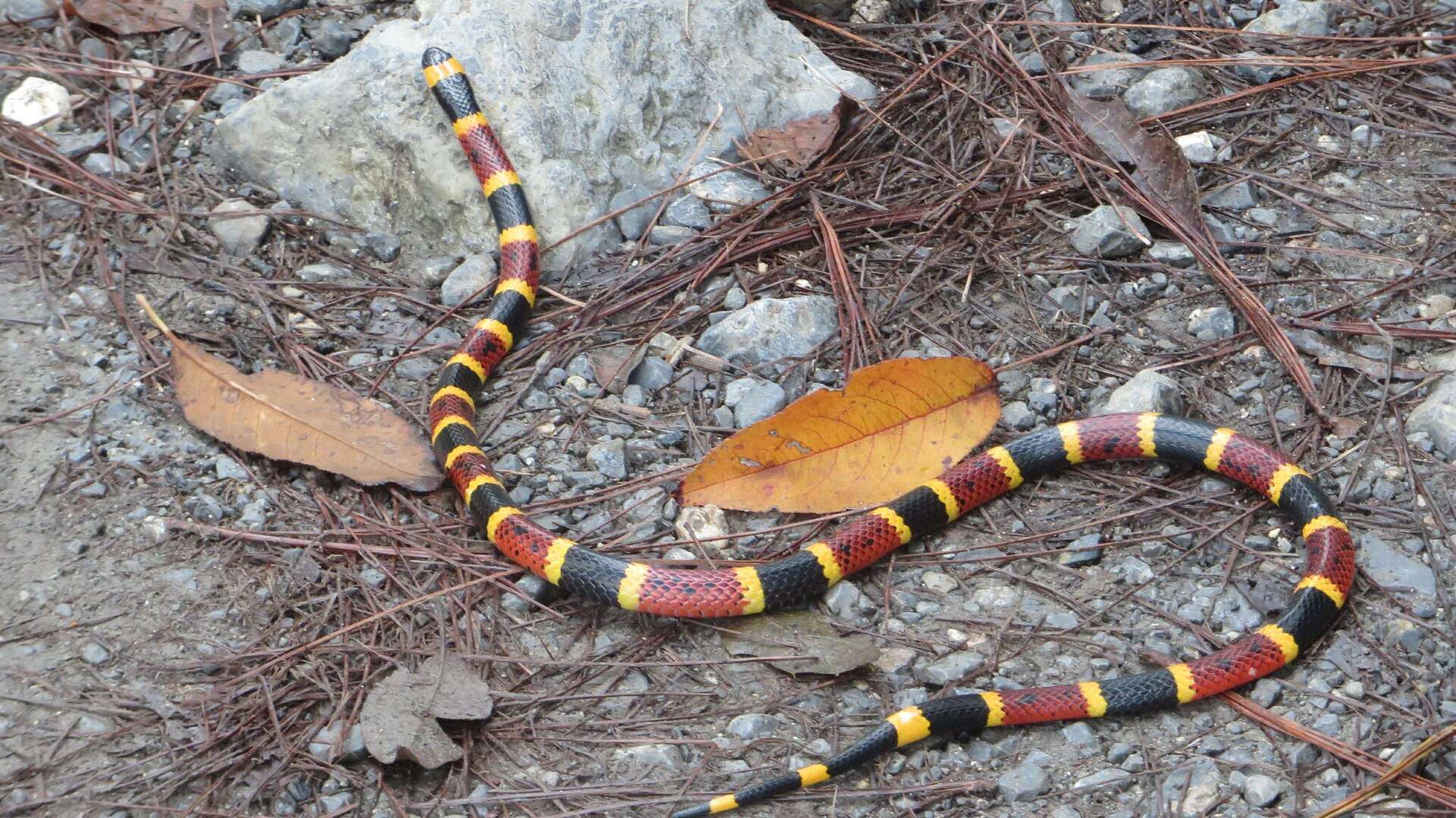
Eastern coral snake coiled on sandy ground in Florida, showing broad red and black rings separated by narrow yellow rings, and its black snout
Medically significant

Eastern coral snake

Micrurus fulvius

A slender, shiny snake of the south-eastern United States with wide red and black rings separated by narrow yellow rings, so red touches yellow. Its blunt snout is black, with a yellow band behind the eyes.

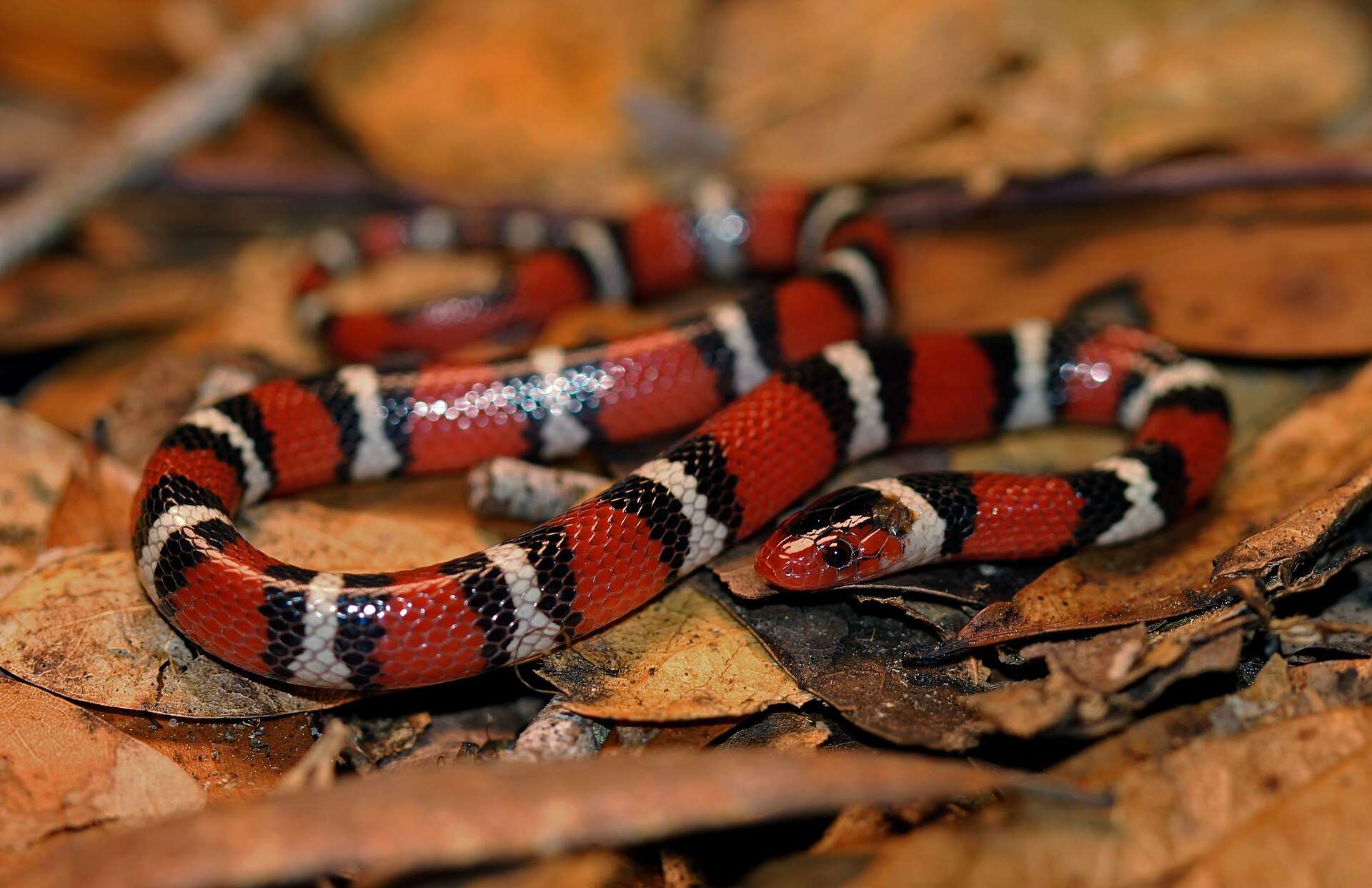
Scarlet kingsnake on brown leaf litter in Georgia, showing red rings separated by black-bordered white rings and its red snout
Non-venomous

Scarlet kingsnake

Lampropeltis elapsoides

A small, harmless snake of the south-eastern United States with red, black and yellow or white rings, where the red rings touch only black. It has a red snout and mimics the venomous coral snake.

Eastern coral snake coiled on sandy ground in Florida, showing broad red and black rings separated by narrow yellow rings, and its black snout
Medically significant

Eastern coral snake

Micrurus fulvius

A slender, shiny snake of the south-eastern United States with wide red and black rings separated by narrow yellow rings, so red touches yellow. Its blunt snout is black, with a yellow band behind the eyes.

Eastern milksnake coiled on dead leaves in Ohio, with black-edged reddish-brown blotches on a pale grey and white body
Non-venomous

Eastern milksnake

Lampropeltis triangulum

A slender, harmless snake of eastern North America, grey or tan with black-edged, reddish-brown blotches and a black-and-white checkerboard belly. It often lives around barns and houses, where it hunts mice.

Every species

All 151 snake species recorded in the United States

12 have a full profile so far. The others are listed by family, without a venom status until they have a sourced profile.

Colubridae117
  • Arizona elegans
  • Arizona occidentalis
  • Bogertophis rosaliaeBaja California Rat Snake
  • Bogertophis subocularis
  • Carphophis amoenus
  • Carphophis vermisWestern Worm Snake
  • Cemophora coccineaScarlet Snake
  • Cemophora lineriTexas Scarlet Snake
  • Clonophis kirtlandiiKirtland's Snake
  • Coniophanes imperialisBlack-striped Snake
  • Contia longicaudaForest Sharp-tailed Snake
  • Drymarchon couperiBlue Indigo Snake
  • Drymarchon melanurusBlacktail Cribo
  • Drymobius margaritiferus
  • Farancia abacura
  • Farancia erytrogramma
  • Ficimia streckeriTamaulipan or Mexican Hooknose Snake
  • Gyalopion canumChihuahuan Hook-nosed Snake
  • Gyalopion quadrangulareThornscrub or Desert Hooknose Snake
  • Heterodon kennerlyiMexican Hognose Snake
  • Heterodon simusSouthern Hognose Snake
  • Hypsiglena chlorophaea
  • Hypsiglena ochrorhynchus
  • Lampropeltis californiaeMexican Black Kingsnake
  • Lampropeltis calligasterPrairie Kingsnake
  • Lampropeltis elapsoidesScarlet Kingsnake
  • Lampropeltis extenuataShort-tailed Snake
  • Lampropeltis gentilisCentral Plains Milksnake
  • Lampropeltis getulaCommon Kingsnake
  • Lampropeltis holbrookiSpeckled Kingsnake
  • Lampropeltis nigraBlack Kingsnake
  • Lampropeltis nigritaBlack Desert Kingsnake
  • Lampropeltis occipitolineataSouth Florida Mole Kingsnake
  • Lampropeltis pyromelanaArizona Mountain Kingsnake
  • Lampropeltis rhombomaculataMole Kingsnake
  • Lampropeltis splendidaDesert Kingsnake
  • Lampropeltis zonataCalifornia Mountain Kingsnake
  • Leptodeira septentrionalisNorthern Cat-eyed Snake
  • Liodytes alleniStriped Swampsnake
  • Liodytes rigidaCrayfish Snake
  • Masticophis bilineatusSonoran Whipsnake
  • Masticophis flagellumCoachwhip
  • Masticophis fuliginosusBaja California Coachwhip
  • Masticophis lateralisStriped Racer
  • Masticophis piceusCoachwhip
  • Masticophis schottiSchott's Whipsnake
  • Masticophis taeniatusStriped Whipsnake
  • Nerodia clarkiiSalt Marsh Snake
  • Nerodia cyclopionMississippi Green Water Snake
  • Nerodia erythrogasterPlainbelly Water Snake
  • Nerodia fasciataSouthern Water Snake
  • Nerodia floridanaFlorida Green Water Snake
  • Nerodia harteriHarters Water Snake
  • Nerodia paucimaculataConcho Water Snake
  • Nerodia rhombiferDiamondback Water Snake
  • Nerodia taxispilotaBrown Water Snake
  • Opheodrys aestivusRough greensnake
  • Opheodrys carinatusFlorida Rough greensnake
  • Oxybelis microphthalmusThrornscrub Vine Snake
  • Pantherophis alleghaniensisMidland Rat Snake
  • Pantherophis bairdiBaird's Rat Snake
  • Pantherophis emoryiGreat Plains Rat Snake
  • Pantherophis guttatusEastern Corn snake
  • Pantherophis obsoletusBlack Rat snake
  • Pantherophis quadrivittatus
  • Pantherophis ramspottiWestern Foxsnake
  • Pantherophis slowinskii
  • Pantherophis vulpinusEastern Fox Snake
  • Phyllorhynchus browniSaddled Leafnose Snake
  • Phyllorhynchus decurtatusSpotted Leafnose Snake
  • Pituophis melanoleucusEastern Pine Snake
  • Pituophis ruthveniLouisiana Pine Snake
  • Regina grahamiiGraham's Crayfish Snake
  • Rhadinaea flavilataPine Woods Littersnake
  • Rhinocheilus leconteiLongnose Snake
  • Salvadora deserticolaBig Bend Patchnose Snake
  • Salvadora grahamiaeMountain Patchnose Snake
  • Salvadora hexalepisWestern Patchnose Snake
  • Salvadora lineataTexas Patchnose Snake
  • Seminatrix pygaeaBlack Swamp Snake (or Swampsnake)
  • Senticolis triaspisGreen Rat Snake
  • Sonora annulataColorado Desert Shovelnose Snake
  • Sonora cinctaBanded Sand Snake
  • Sonora episcopamiter snake
  • Sonora occipitalisWestern Shovelnose Snake
  • Sonora palarostrisSonoran Shovelnose Snake
  • Sonora semiannulataGround Snake
  • Sonora tayloriTaylor’s Ground Snake
  • Storeria victaFlorida Brown Snake
  • Tantilla atricepsMexican Blackhead Snake
  • Tantilla coronataSoutheastern Crowned Snake
  • Tantilla cucullataBig Bend Blackhead Snake
  • Tantilla gracilisFlathead Snake
  • Tantilla hobartsmithiSouthwestern Blackhead Snake
  • Tantilla nigricepsPlains Blackhead Snake
  • Tantilla ooliticaRim Rock Crowned Snake
  • Tantilla planicepsWestern Blackhead Snake
  • Tantilla relictaFlorida Crowned Snake
  • Tantilla wilcoxiChihuahuan Blackhead Snake
  • Tantilla yaquiaYaquia Blackhead Snake
  • Thamnophis atratusSanta Cruz Garter Snake
  • Thamnophis brachystomaShorthead Garter Snake
  • Thamnophis butleriButler's Garter Snake
  • Thamnophis couchiiSierra Garter Snake
  • Thamnophis cyrtopsis
  • Thamnophis elegansWestern Terrestrial Garter Snake
  • Thamnophis equesMexican Garter Snake
  • Thamnophis gigasGiant Garter Snake
  • Thamnophis hammondiiTwo-striped Garter Snake
  • Thamnophis marcianusCheckered Garter Snake
  • Thamnophis proximusWestern Ribbonsnake
  • Thamnophis rufipunctatusNarrowhead Garter Snake
  • Trimorphodon lyrophanesBaja California Lyre Snake
  • Trimorphodon vilkinsoniiTexas Lyre Snake
  • Tropidoclonion lineatumLined Snake
  • Virginia striatulaRough Earth Snake
  • Virginia valeriaeSmooth Earth Snake
Viperidae24
  • Agkistrodon conanti
  • Agkistrodon contortrixSouthern Copperhead
  • Agkistrodon laticinctusBroad-banded Copperhead
  • Agkistrodon piscivorus
  • Crotalus adamanteusEastern Diamondback Rattlesnake
  • Crotalus atroxWestern Diamond-backed Rattlesnake
  • Crotalus cerastes
  • Crotalus cerberusArizona Black Rattlesnake
  • Crotalus concolorMidget Faded Rattlesnake
  • Crotalus helleriSouthern Pacific Rattlesnake
  • Crotalus lepidus
  • Crotalus lutosusGreat Basin Rattlesnake
  • Crotalus molossus
  • Crotalus ornatusBlack-tailed Rattlesnake
  • Crotalus pricei
  • Crotalus pyrrhusSouthwestern Speckled Rattlesnake
  • Crotalus scutulatus
  • Crotalus stephensiPanamint Rattlesnake
  • Crotalus tigrisTiger Rattlesnake
  • Crotalus viridis
  • Crotalus willardi
  • Sistrurus catenatusMassasauga
  • Sistrurus miliariusPygmy Rattlesnake
  • Sistrurus tergeminusWestern Massasauga
Boidae4
  • Charina bottae
  • Charina umbraticaSouthern Rubber Boa
  • Lichanura orcuttiNorthern Three-lined Boa
  • Lichanura trivirgataRosy Boa
Elapidae3
Leptotyphlopidae3
  • Rena dulcisTexas Blind Snake
  • Rena humilisWestern Threadsnake
  • Rena segregaTrans-Pecos Blind Snake/Threadsnake

Source: Uetz, P. et al. (eds.), The Reptile Database, version 2026-06, via the Catalogue of Life (COL26.9). CC BY 4.0. Ranges in the source can be incomplete.

References

  1. 1

    Centers for Disease Control and Prevention, National Institute for Occupational Safety and Health (NIOSH). Venomous Snakes at Work (last reviewed 2026). cdc.gov

  2. 2

    World Health Organization (2017). Guidelines for the production, control and regulation of snake antivenom immunoglobulins. WHO Technical Report Series No. 1004, Annex 5, Appendix 1: United States of America, Category 1 and 2 species. cdn.who.int

  3. 3

    Velagapudi, M.E., Navarro, J.J., Hill, A.E., Darracq, M.A. & Thornton, S.L. (2024). Epidemiology and characteristics of coral snake bites reported to the National Poison Data System (2006–2022). Journal of the American College of Emergency Physicians Open 5(5): e13296. doi.org

Try “krait”, “cobra” or Naja. Typos are fine.