
List
The most venomous snakes in the world
Venom toxicity is measured by the LD50 test in mice, and by that measure the inland taipan comes first. But toxicity is not danger: the snakes that kill the most people are vipers, cobras and kraits that live where people farm and sleep.
Every fact is sourced · draft, pending review by a herpetologist
- 1
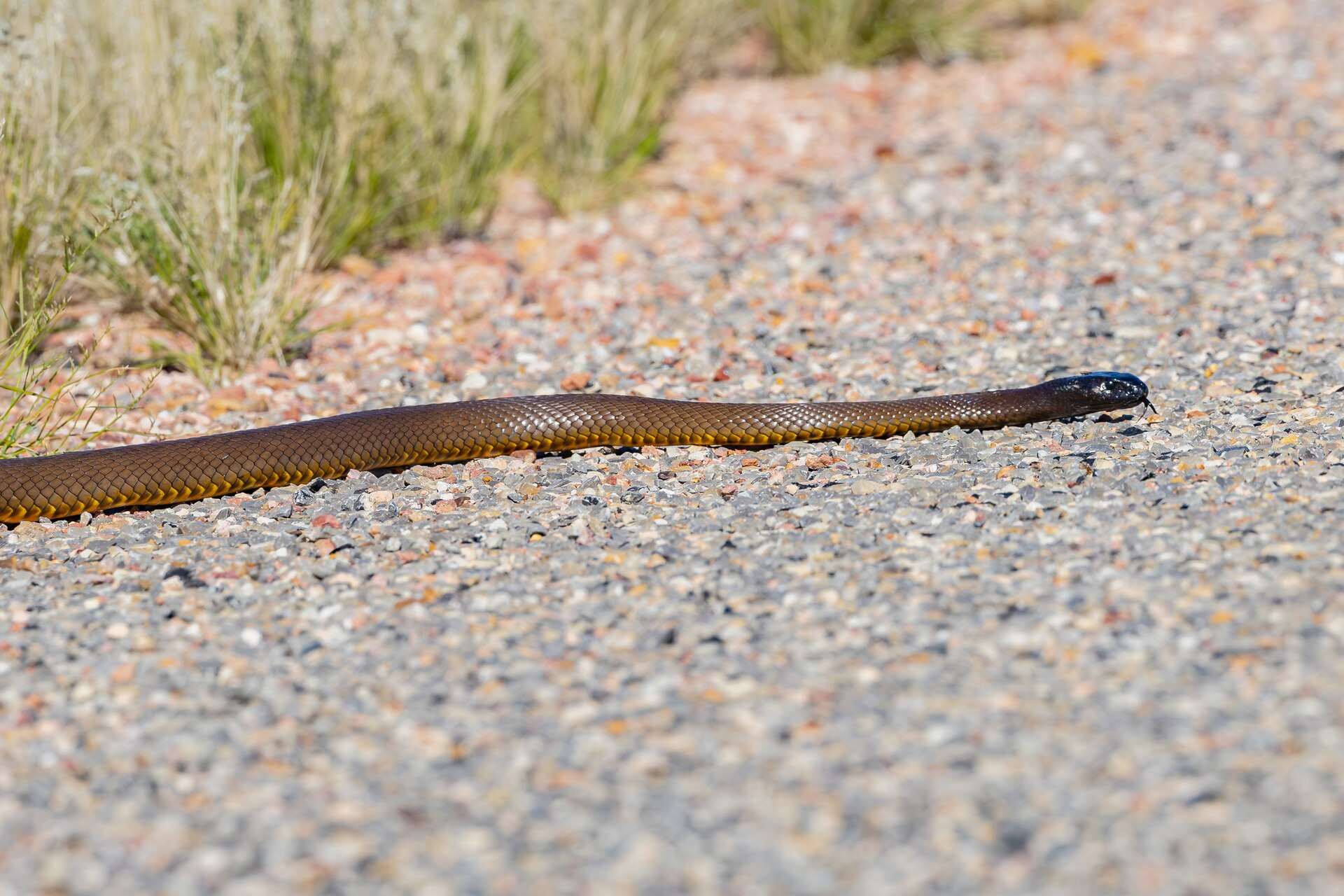
Inland taipan
Oxyuranus microlepidotus
The most toxic snake venom measured in mice, yet only a handful of people have ever been bitten and all survived.
Medically significant - 2
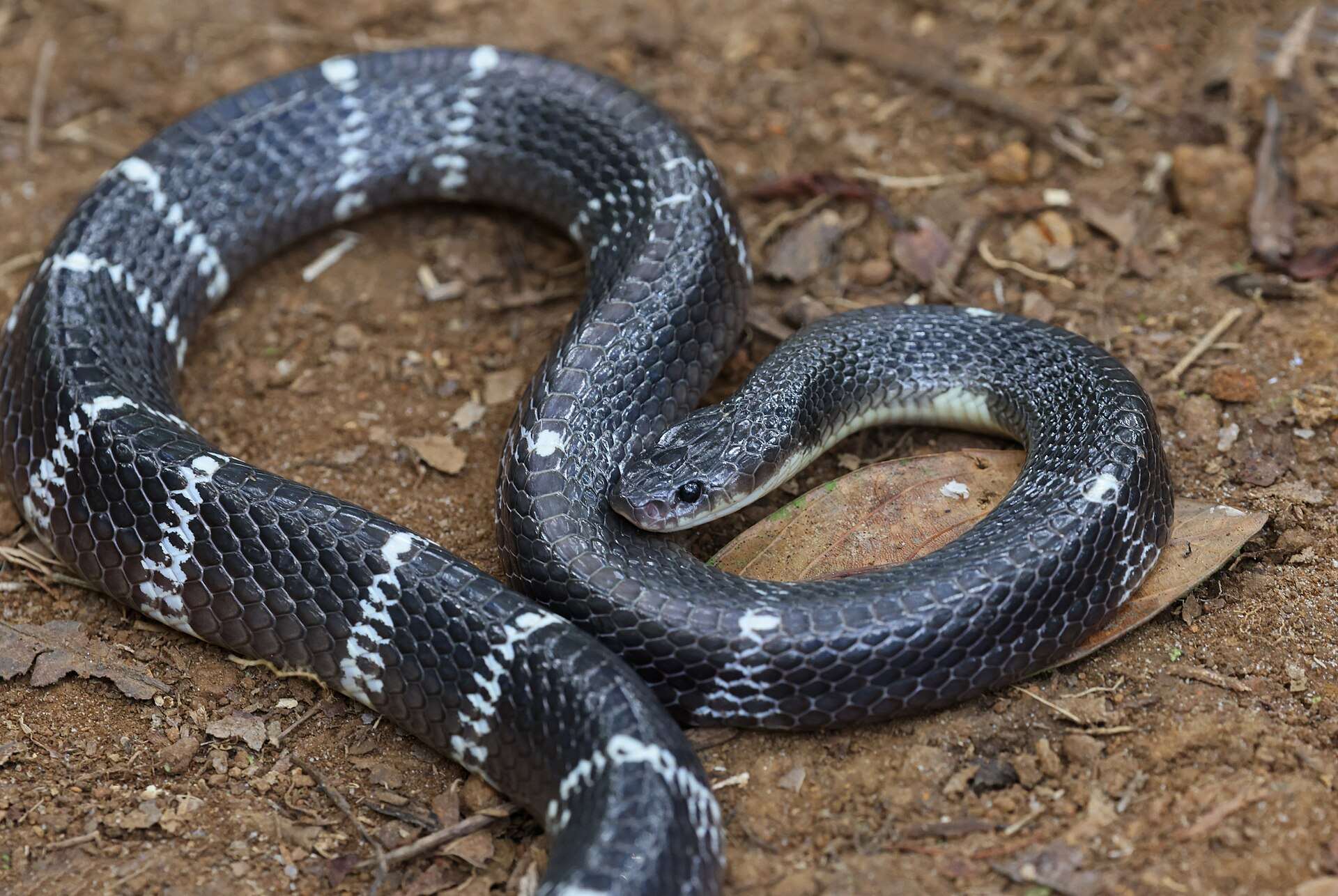
Many-banded krait
Bungarus multicinctus
0.014–0.071 mg/kg (intravenous)6
Published intravenous values for this Chinese and Taiwanese krait differ fivefold between studies, which shows how much the method matters.
- 3
- 4
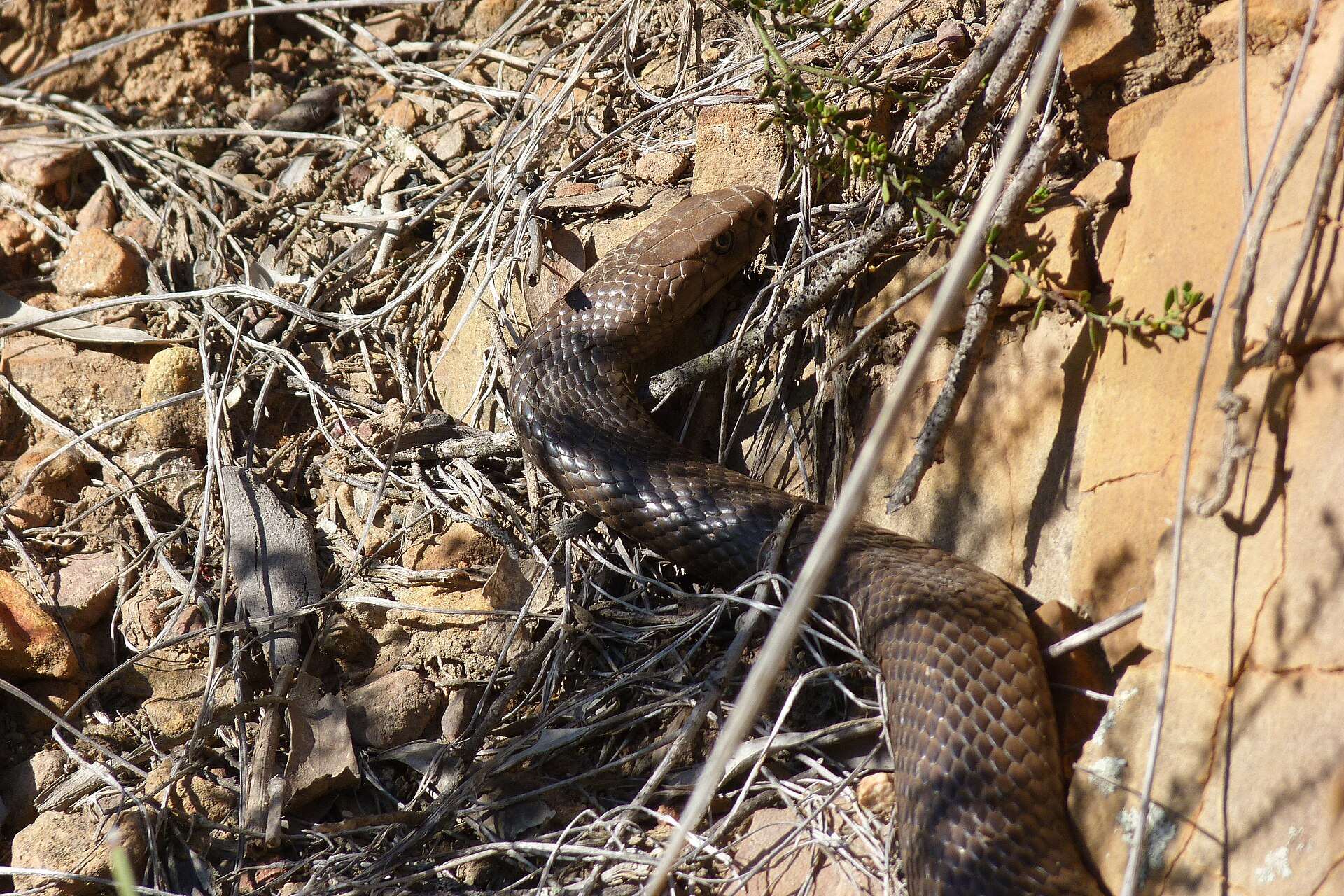
Eastern brown snake
Pseudonaja textilis
Far more dangerous in practice than the inland taipan: it caused 17 of the 23 snakebite deaths recorded in Australia from 2005 to 2015.
Medically significant - 5
Common krait
Bungarus caeruleus
0.045–0.25 mg/kg (intravenous)7,8,14
Venom potency varies fivefold between Indian populations; this krait bites sleeping people at night and is one of India's deadliest snakes.
Medically significant - 6
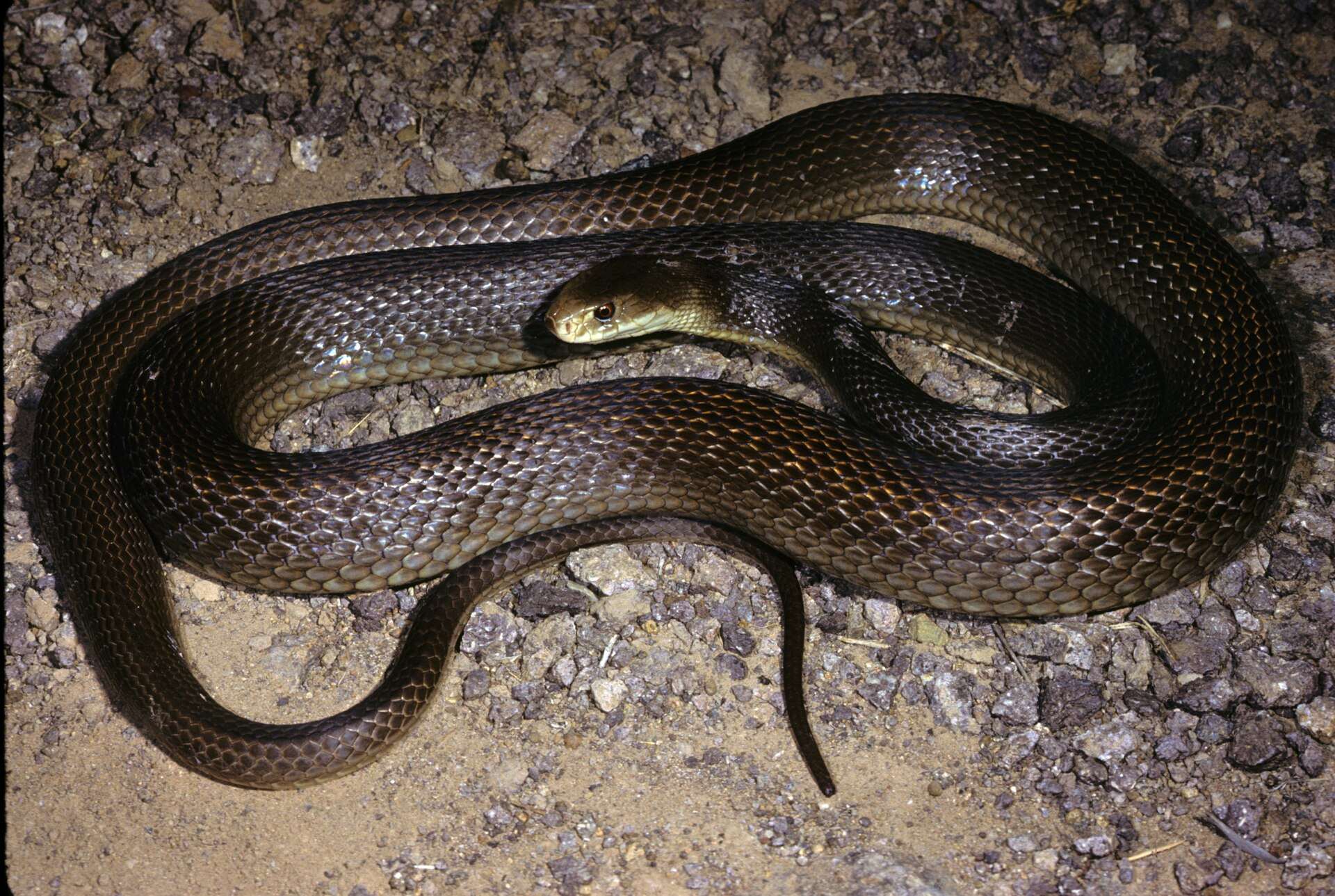
Coastal taipan
Oxyuranus scutellatus
A large, fast snake of northern and eastern Australia and New Guinea with long fangs and a big venom yield.
Medically significant - 7
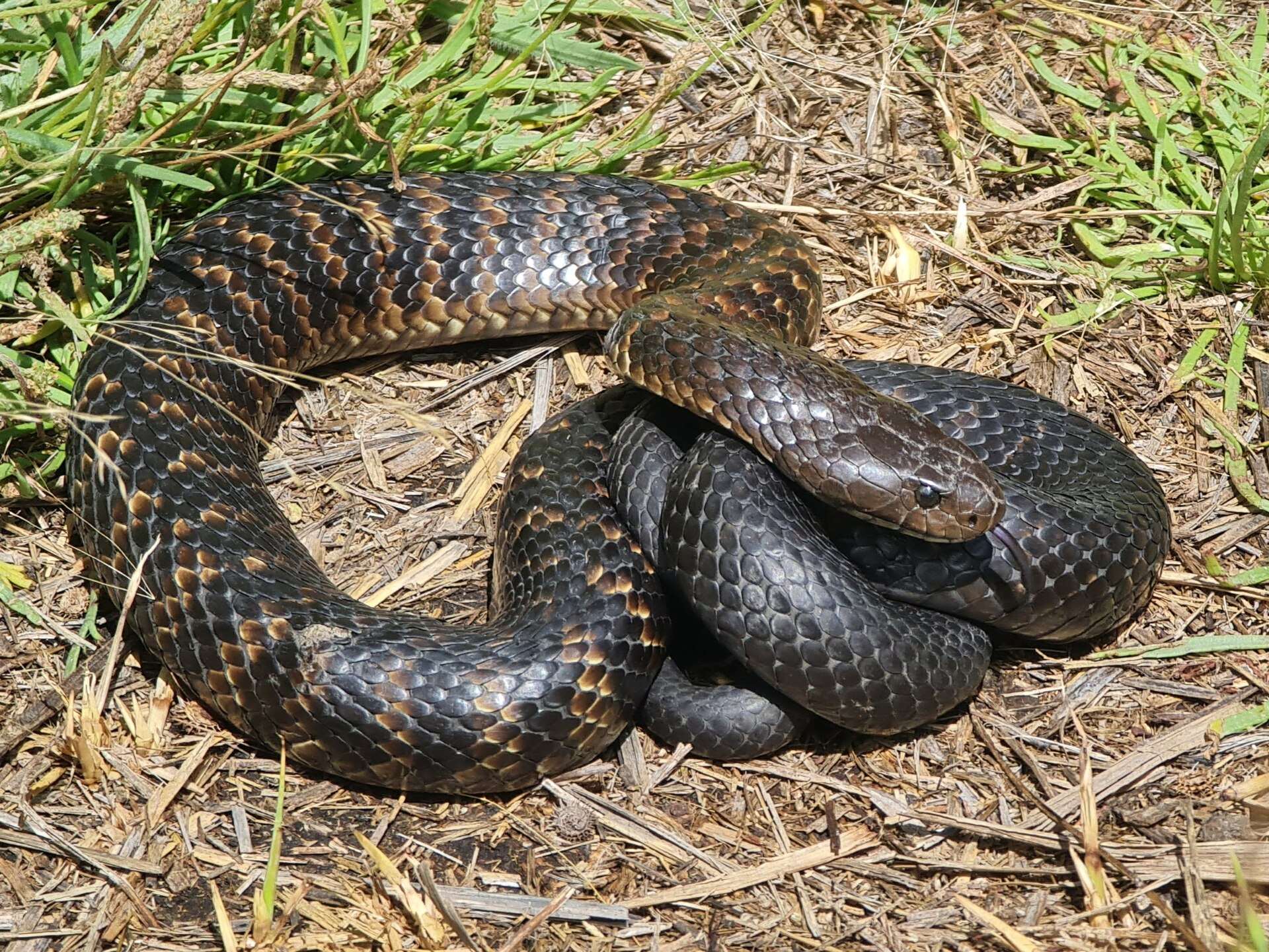
Tiger snake
Notechis scutatus
The mainland tiger snake's venom attacks nerves, blood clotting and muscle; it caused four of Australia's 23 snakebite deaths from 2005 to 2015.
Medically significant - 8
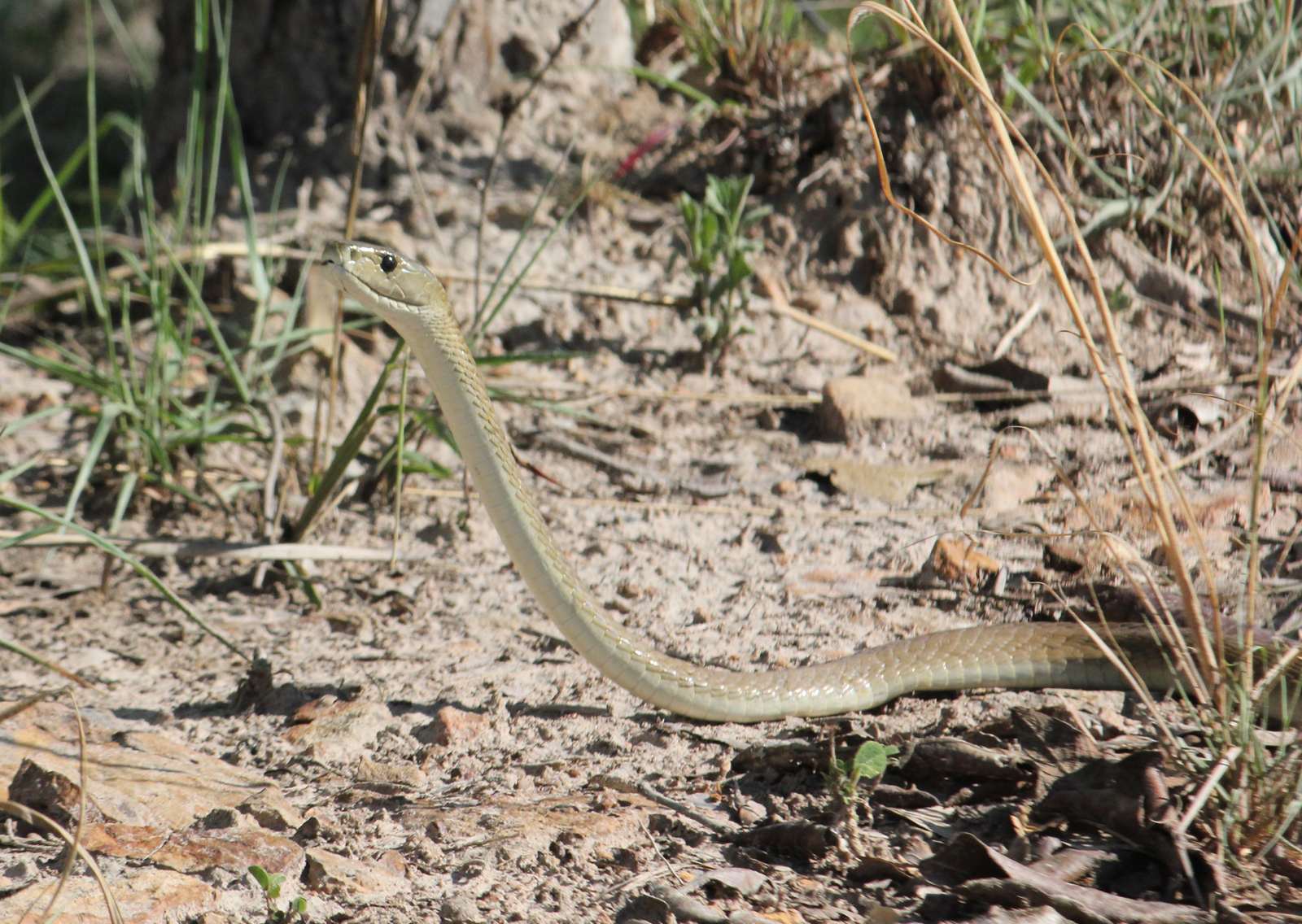
Black mamba
Dendroaspis polylepis
0.38 mg/kg (intraperitoneal)9
Africa's most feared snake has a less toxic venom than the Australian elapids above, but it injects a lot of it and bites can kill within hours.
Medically significant - 9
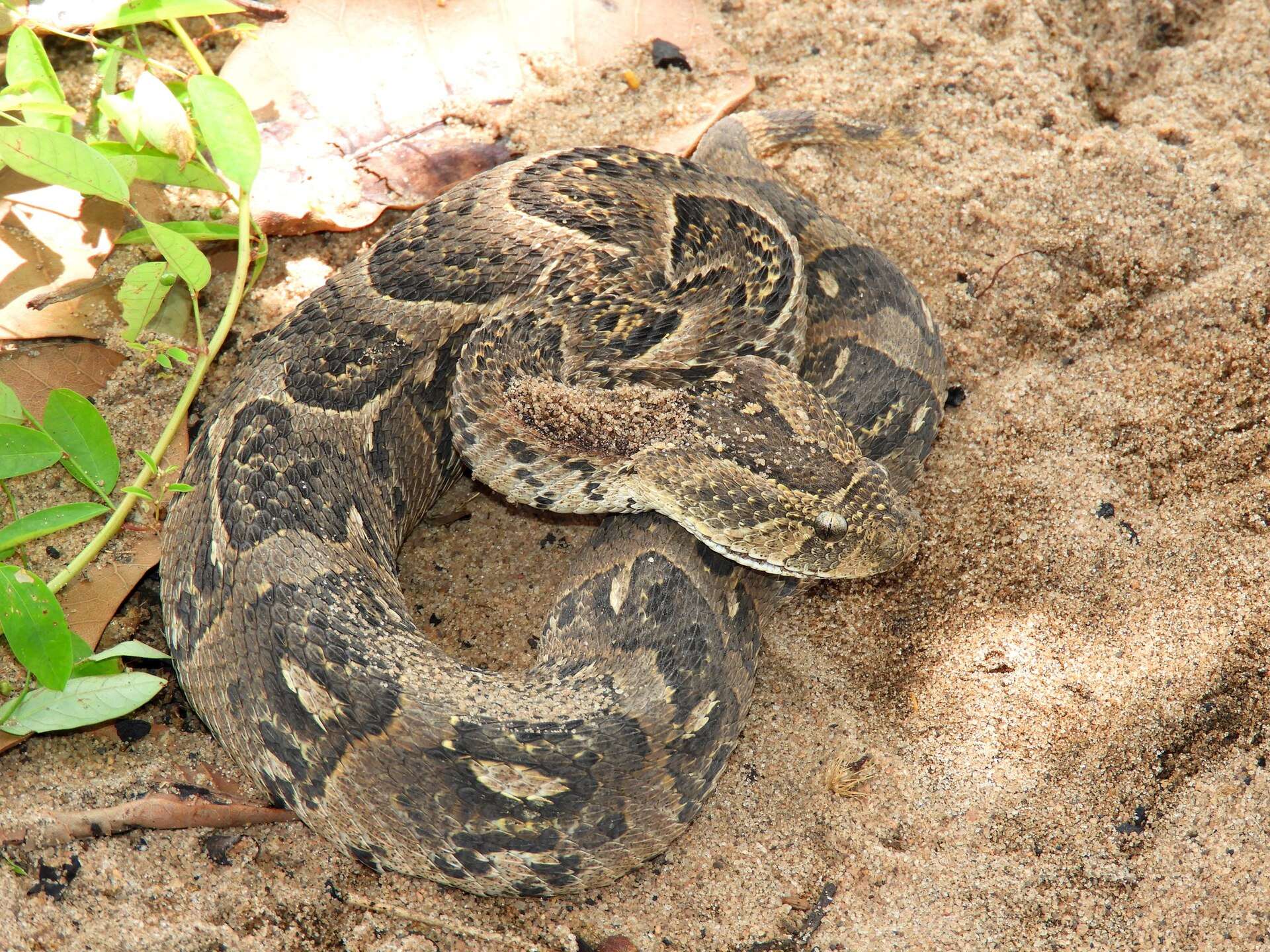
Puff adder
Bitis arietans
about 1.3 mg/kg (intraperitoneal)10,15
Roughly 50 times less toxic than inland taipan venom in mice, yet one of the main causes of serious snakebite across Africa.
Medically significant - 10
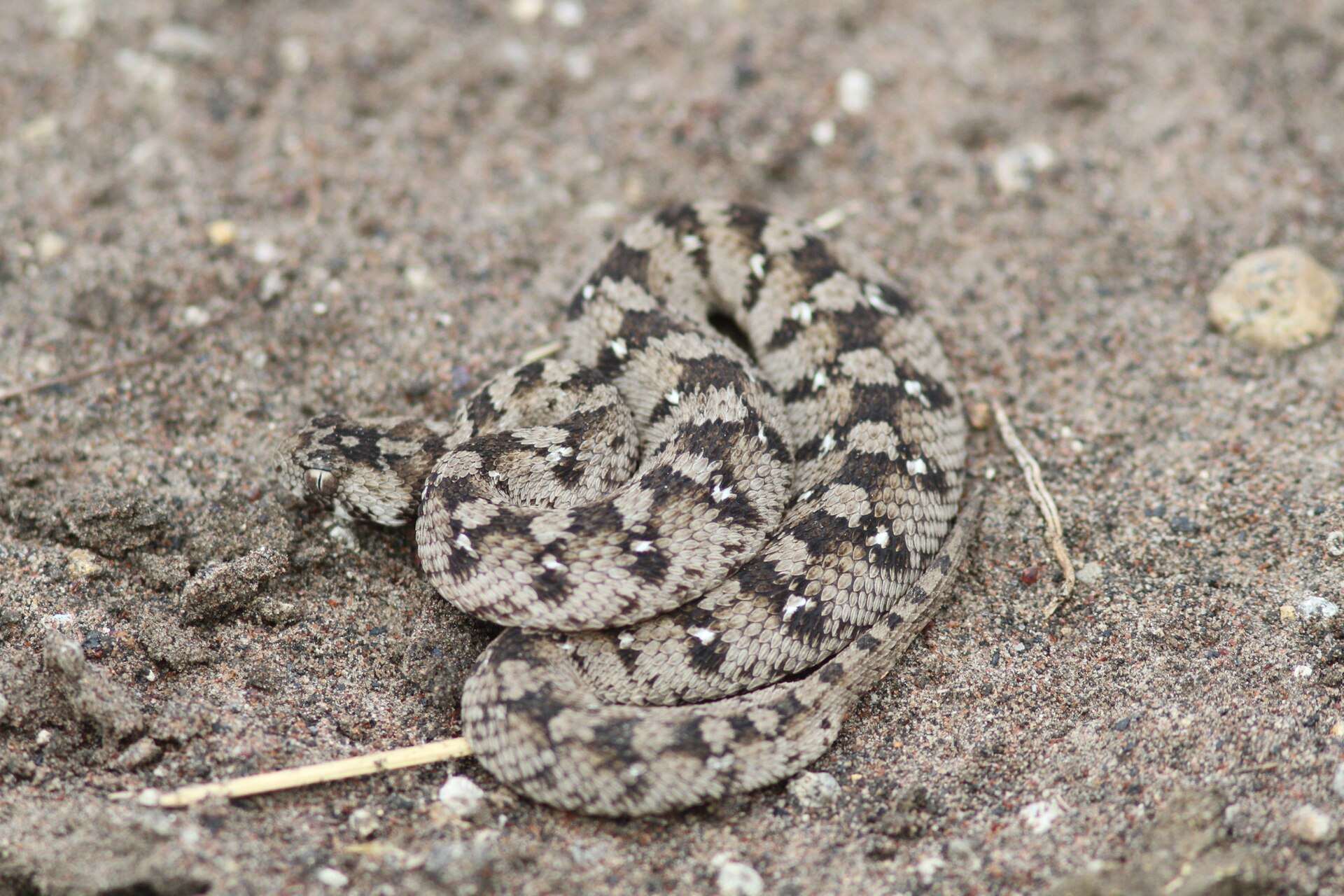
West African carpet viper
Echis ocellatus
about 1.8 mg/kg (intraperitoneal)10,17
Last on this list and first in the death toll of West Africa: in Nigeria it has been reported to cause about 60% of snakebite deaths.
Medically significant
How the ranking works
Venom toxicity is compared with the LD50 test: groups of mice are injected with measured doses, and the LD50 is the dose, in milligrams of venom per kilogram of mouse, that kills half of them1. The lower the number, the more toxic the venom. The Australian figures in this list come from the 1979 study by Broad, Sutherland and Coulter, which tested dangerous Australian snakes and several from other continents under one method and is still the usual source for them1,2. The Australian Museum calls the inland taipan’s venom “the most toxic of all snake venoms in LD50 tests on mice”3.
The numbers are less precise than they look. Results change with the injection route (under the skin, into the abdomen or into a vein), with the liquid the venom is dissolved in, and with the snakes the venom came from1,2. The inland taipan’s LD50 was 0.025 mg/kg in saline in 1979 and 0.0225 mg/kg in a 2014 test2. Published intravenous values for the many-banded krait range from 0.014 to 0.071 mg/kg6, and the common krait’s venom was up to five times more potent in some Indian states than in others, from 0.045 to 0.251 mg/kg7. Mice are not people, either. So treat the list as a rough order, not a league table, and treat differences of a few hundredths of a milligram as noise. Where a figure was measured by a different route, the list says so.
What LD50 does not tell you
A toxic venom does not make a snake dangerous to people. The inland taipan lives in remote parts of central Australia, is shy, and has bitten only a handful of people, all of whom survived3. Dubois’ sea snake has the most toxic venom of any sea snake, but the far less toxic beaked sea snake causes more deaths, because it lives in estuaries and gets tangled in fishing nets4,5. The eastern brown snake, lower on the list than the inland taipan, caused 17 of the 23 snakebite deaths recorded by the Australian Snakebite Project between 2005 and 2015, and the tiger snake four16.
What matters in practice is how much venom a snake injects, how long its fangs are, how often it meets people, how its venom damages the body and whether antivenom is available11,12. The black mamba’s venom is less toxic in mice than that of any Australian elapid on this list, at 0.38 mg/kg by intraperitoneal injection, yet it injects a large quantity of it9. The puff adder and the West African carpet viper have venoms that are 50–70 times less toxic than the inland taipan’s by the same kind of test, and they are among the most important causes of snakebite death in Africa10,15,17.
The snakes that kill the most people
The World Health Organization estimates that about 5.4 million people are bitten by snakes each year, 1.8 to 2.7 million of them are envenomed, and 81,410 to 137,880 die, with about three times as many left with amputations or other permanent disabilities11. A 2008 modelling study put the toll at 421,000 to 1,841,000 envenomings and 20,000 to 94,000 deaths a year, with the heaviest burden in South Asia, South-East Asia and sub-Saharan Africa12. None of the top five snakes on the LD50 list appears among the main killers.
India carries the largest share. A nationally representative mortality study estimated 1.2 million snakebite deaths there between 2000 and 2019, about 58,000 a year, 94% of them in rural areas and nearly 70% in eight high-burden states13. Most are caused by the “big four”: Russell’s viper, the saw-scaled viper, the Indian cobra and the common krait, which are the species India’s antivenom is made against14. Among the studies that identified the snake, Russell’s viper accounted for 43% of cases13. Kraits bite people asleep on the floor at night, and saw-scaled vipers are stepped on in the dark13.
In Africa, the WHO’s regional guidelines name the West African carpet viper and the puff adder among the species responsible for most serious bites15. In Nigeria the carpet viper has been reported to cause about 90% of snakebites and 60% of snakebite deaths17. In Australia, the eastern brown snake is the main killer16. The snakes that top the LD50 table, the inland taipan and the coastal taipan, hardly feature in these counts3,16.
What to do with this list
Use it to understand venom, not to judge which snakes are safe to approach. Every snake on this page can kill, and so can many that are not on it. Keep your distance from any snake you cannot identify, never try to catch or kill one, and if someone is bitten, keep them still and get them to hospital: the WHO’s first-aid advice is to remove rings and tight items, splint the limb, avoid tourniquets, cutting and suction, and reach a health facility as soon as possible11,14. Our country first-aid pages for India, Australia, Bangladesh and the United States give the emergency numbers and the steps that apply there14,16.
Questions people ask
- What is the most venomous snake in the world?
- By the LD50 test in mice, the inland taipan of central Australia. Its venom killed mice at about 0.025 mg per kg, the lowest dose measured for any snake. Only a handful of people have ever been bitten by one, and all survived.
- What does LD50 mean?
- The dose of venom that kills half of a group of test animals, usually mice, given as milligrams of venom per kilogram of body weight. A lower number means a more toxic venom. Results change with the injection route, the diluent and the venom sample, so figures from different studies are not directly comparable.
- Which snake kills the most people?
- No single species is counted worldwide, but India alone has about 58,000 snakebite deaths a year, mostly from Russell's viper, the common krait, the Indian cobra and the saw-scaled viper. In West Africa the carpet viper causes most deaths, and in Australia the eastern brown snake does.
- Is the inland taipan the most dangerous snake?
- No. It lives in remote parts of central Australia, is shy, and has caused no recorded deaths. Danger depends on how often a snake meets people, how much venom it injects and whether antivenom is available, not on LD50 alone.
- Is the black mamba the most venomous snake?
- No. Its venom is less toxic in mice than that of the inland taipan, the eastern brown snake or the kraits, but it is fast, injects a large amount and its bites can be fatal within hours without antivenom.
References
- 1
Broad, A.J., Sutherland, S.K. & Coulter, A.R. (1979). The lethality in mice of dangerous Australian and other snake venom. Toxicon 17(6): 661–664. doi.org
- 2
Barber, C.M., Madaras, F., Turnbull, R.K., Morley, T., Dunstan, N., Allen, L., Kuchel, T., Mirtschin, P. & Hodgson, W.C. (2014). Comparative studies of the venom of a new taipan species, Oxyuranus temporalis, with other members of its genus. Toxins 6(7): 1979–1995. doi.org
- 3
Australian Museum. Inland Taipan, Oxyuranus microlepidotus (animal factsheet). australian.museum
- 4
Guinness World Records. Most venomous marine snake (Dubois' seasnake, Aipysurus duboisii, LD50 0.044 mg/kg). guinnessworldrecords.com
- 5
Minton, S.A. (1983). Lethal toxicity of venoms of snakes from the Coral Sea. Toxicon 21(6): 901–902. doi.org
- 6
Lin, B., Zhang, J.-R., Lu, H.-J., Zhao, L., Chen, J., Zhang, H.-F., Wei, X.-S., Zhang, L.-Y., Wu, X.-B. & Lee, W.-H. (2020). Immunoreactivity and neutralization study of Chinese Bungarus multicinctus antivenin and lab-prepared anti-bungarotoxin antisera towards purified bungarotoxins and snake venoms. PLOS Neglected Tropical Diseases 14(11): e0008873. doi.org
- 7
Rashmi, U., Bhatia, S., Nayak, M., Khochare, S. & Sunagar, K. (2024). Elusive elapids: biogeographic venom variation in Indian kraits and its repercussion on snakebite therapy. Frontiers in Pharmacology 15: 1443073. doi.org
- 8
Alam, M.J., Maruf, M.M.H., Iqbal, M.A., Hasan, M., Sohan, M.S.R., Shariar, M.R., Haidar, I.K.A., Chowdhury, M.A.W., Ghose, A., Hoque, K.M.F. & Reza, M.A. (2023). Evaluation of the properties of Bungarus caeruleus venom and checking the efficacy of antivenom used in Bangladesh for its bite treatment. Toxicon: X 17: 100149. doi.org
- 9
Gómez, A., Sánchez, A., Durán, G., Villalta, M., Segura, Á., Vargas, M., Herrera, M., Sánchez, M., Gutiérrez, J.M. & León, G. (2024). Intrageneric cross-reactivity of monospecific rabbit antisera against venoms of mamba (Elapidae: Dendroaspis spp.) snakes. Toxicon: X 21: 100183. doi.org
- 10
Gómez, A., Sánchez, A., Durán, G., Cordero, D., Segura, Á., Vargas, M., Solano, D., Herrera, M., Chaves-Araya, S., Villalta, M., Sánchez, M., Arguedas, M., Díaz, C., Gutiérrez, J.M. & León, G. (2022). Intrageneric cross-reactivity of monospecific rabbit antisera against venoms of the medically most important Bitis spp. and Echis spp. African snakes. PLOS Neglected Tropical Diseases 16(8): e0010643. doi.org
- 11
World Health Organization (2026). Snakebite envenoming (fact sheet, 17 September 2026). who.int
- 12
Kasturiratne, A., Wickremasinghe, A.R., de Silva, N., Gunawardena, N.K., Pathmeswaran, A., Premaratna, R., Savioli, L., Lalloo, D.G. & de Silva, H.J. (2008). The global burden of snakebite: a literature analysis and modelling based on regional estimates of envenoming and deaths. PLoS Medicine 5(11): e218. doi.org
- 13
Suraweera, W., Warrell, D., Whitaker, R., Menon, G., Rodrigues, R., Fu, S.H., Begum, R., Sati, P., Piyasena, K., Bhatia, M., Brown, P. & Jha, P. (2020). Trends in snakebite deaths in India from 2000 to 2019 in a nationally representative mortality study. eLife 9: e54076. doi.org
- 14
World Health Organization, Regional Office for South-East Asia (2016). Guidelines for the management of snakebites, 2nd edition (Warrell, D.A., ed.). New Delhi: WHO SEARO. iris.who.int
- 15
World Health Organization, Regional Office for Africa (2010). Guidelines for the prevention and clinical management of snakebite in Africa. WHO/AFR/EDM/EDP/10.01, Brazzaville. iris.who.int
- 16
Johnston, C.I., Ryan, N.M., Page, C.B., Buckley, N.A., Brown, S.G., O'Leary, M.A. & Isbister, G.K. (2017). The Australian Snakebite Project, 2005–2015 (ASP-20). Medical Journal of Australia 207(3): 119–125. mja.com.au
- 17
Habib, A.G. (2013). Public health aspects of snakebite care in West Africa: perspectives from Nigeria. Journal of Venomous Animals and Toxins including Tropical Diseases 19: 27. doi.org