Medically significant
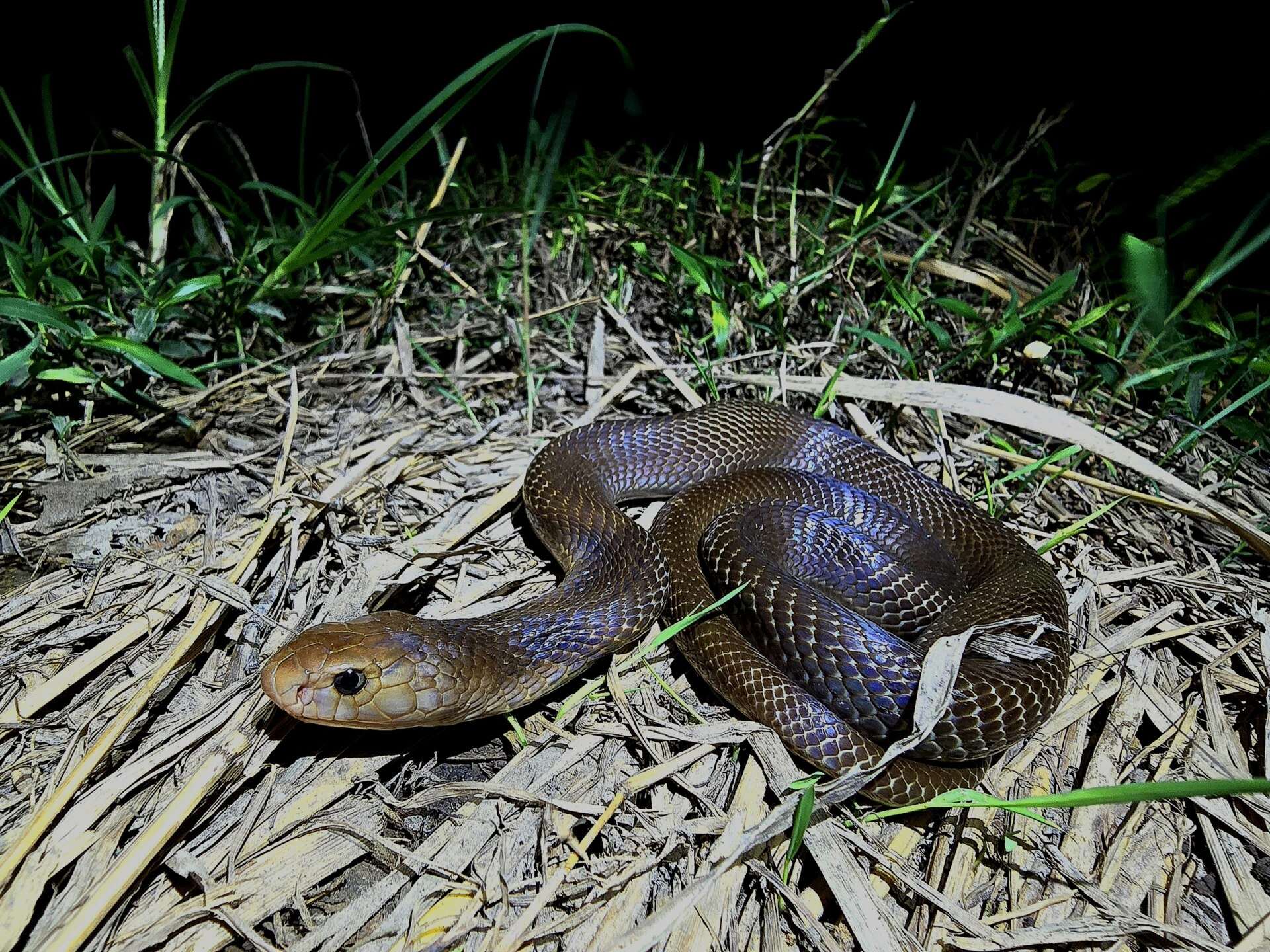
vsJavan spitting cobra
Naja sputatrix
A large, mostly dark brown spitting cobra of Java, Bali and the Lesser Sunda Islands. It is common in rice fields, farmland and towns, and it can spray venom towards the eyes of a threat.
Country guide
Fewer than 20 snakebite deaths are officially registered in Indonesia each year, but WHO notes that several thousand are suspected, and there are no national snakebite statistics. The snakes behind most bites include the white-lipped pit viper, the Malayan krait, spitting cobras, the Malayan pit viper, the eastern Russell's viper and, in Papua, death adders.
< 20
snakebite deaths officially registered a year1
3
snake species covered by Indonesia's own antivenom1
4 of 7
top-priority venomous species with licensed antivenom2
If someone is bitten
Antivenom is given in hospitals. Don’t wait for symptoms.
Australia
Australian first aid for snakebite uses a pressure immobilisation bandage and splint, and advises not washing the bite.
Bangladesh
A 2017 study noted that the Indian polyvalent antivenom used in Bangladesh is not made from the venoms of local species such as the monocled cobra, and it did not prevent local tissue damage from cobra bites.
Brazil
Antivenom is free in Brazil's public health system (SUS), but it is only given in hospital, at reference hospitals chosen by each state.
India
Indian polyvalent antivenom is raised against the 'Big Four' and may not neutralise some regional species, such as the monocellate cobra in the North-East and the hump-nosed pit viper in the south-west.
Indonesia
Indonesia's own antivenom, made by Bio Farma, is raised against only three species (Javan spitting cobra, banded krait and Malayan pit viper), so it may work poorly for bites by other snakes such as green pit vipers.
Kenya
Antivenom is usually stocked only at hospitals and some health centres, so people bitten in rural areas often need to be referred, and delays are common.
Mexico
Mexico's public health system uses two anti-viper antivenoms; one is made from the venoms of the terciopelo and the Mexican west coast rattlesnake.
Nepal
100 is the police emergency number; call 102 for an ambulance.
Nigeria
Antivenoms made from Nigerian snake venoms (EchiTAb G and EchiTAb-Plus-ICP) have proved effective in clinical trials, while some imported antivenoms made from non-African snake venoms have proved ineffective.
Pakistan
Rescue 1122 handles ambulance and fire emergencies; the police number is 15.
Philippines
The only antivenom made in the Philippines is Philippine Cobra Antivenom, raised against the Philippine cobra; there is no locally made antivenom for pit viper bites.
South Africa
112 works for all emergencies from a mobile phone; 10177 is ambulance and fire, and 10111 is police.
Sri Lanka
119 (or 118) is the police emergency number; call 1990 for an ambulance.
United States
For free, expert 24/7 advice you can also call Poison Help on 1-800-222-1222, but call 911 in an emergency.
Not listed? Call your local emergency number.
Venomous first
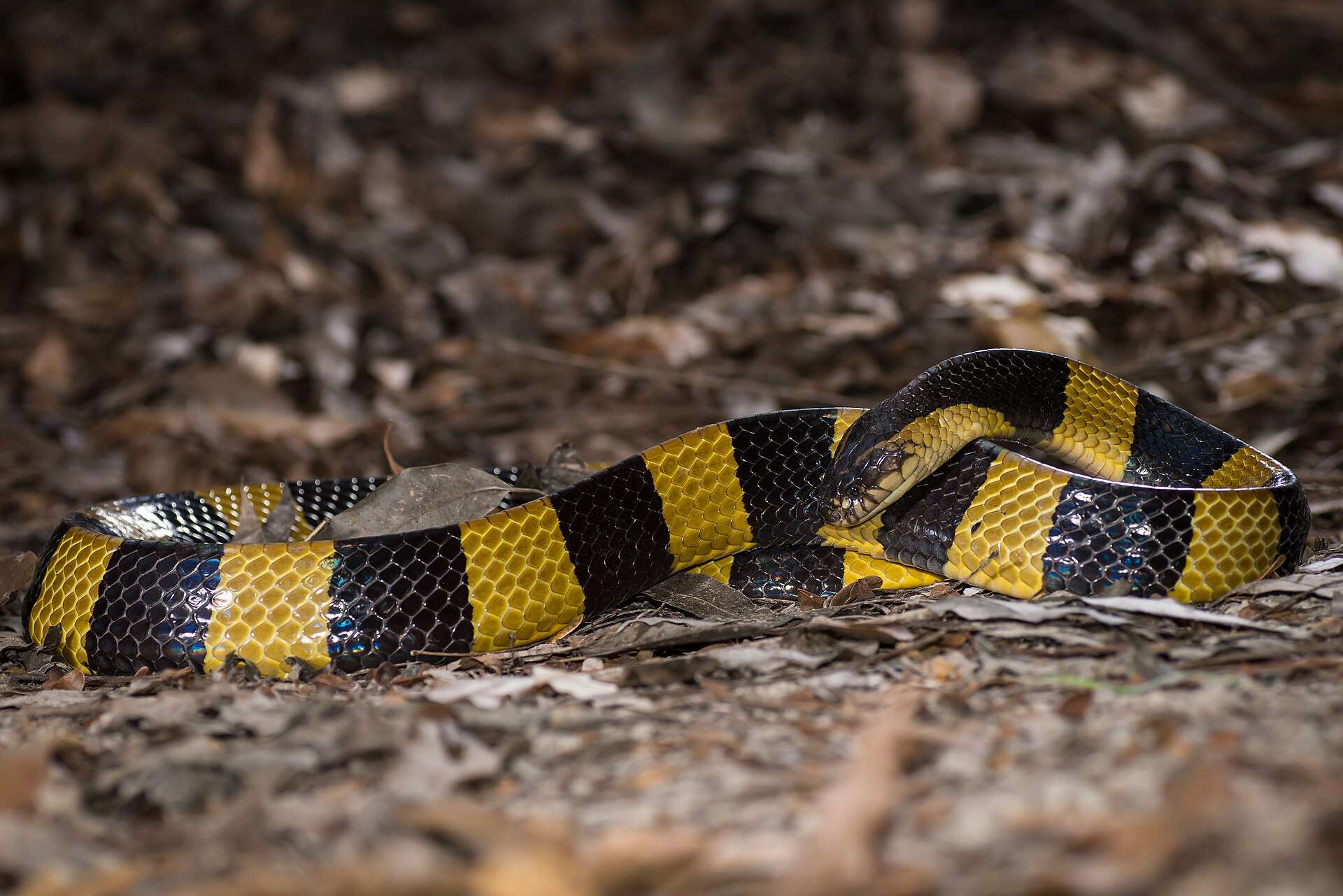
Bungarus fasciatus
Eastern South Asia to South-East Asia and southern China
Medically significant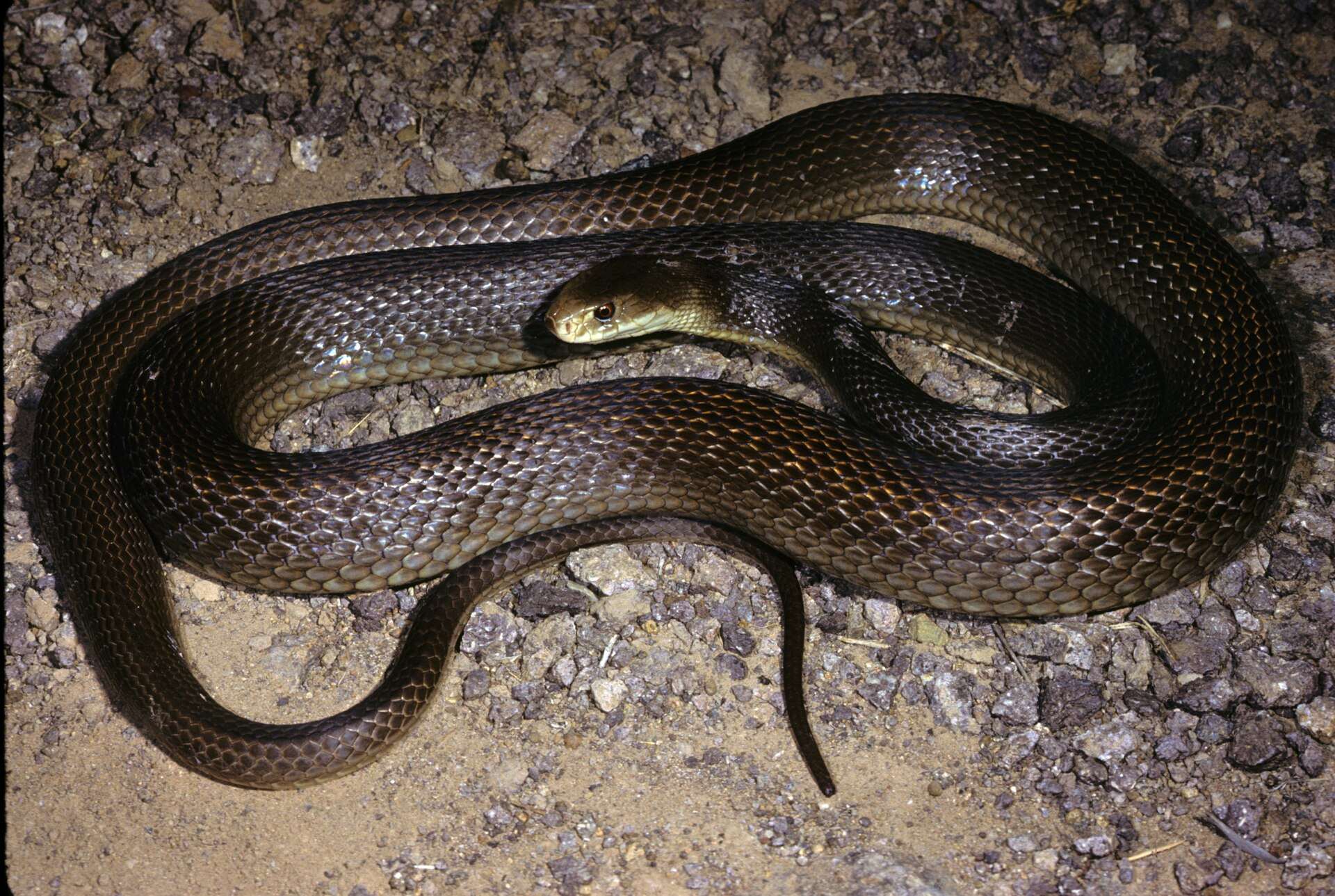
Oxyuranus scutellatus
Northern and eastern Australia, southern New Guinea
Medically significantNaja sputatrix
Java, Bali and the Lesser Sunda Islands
Medically significant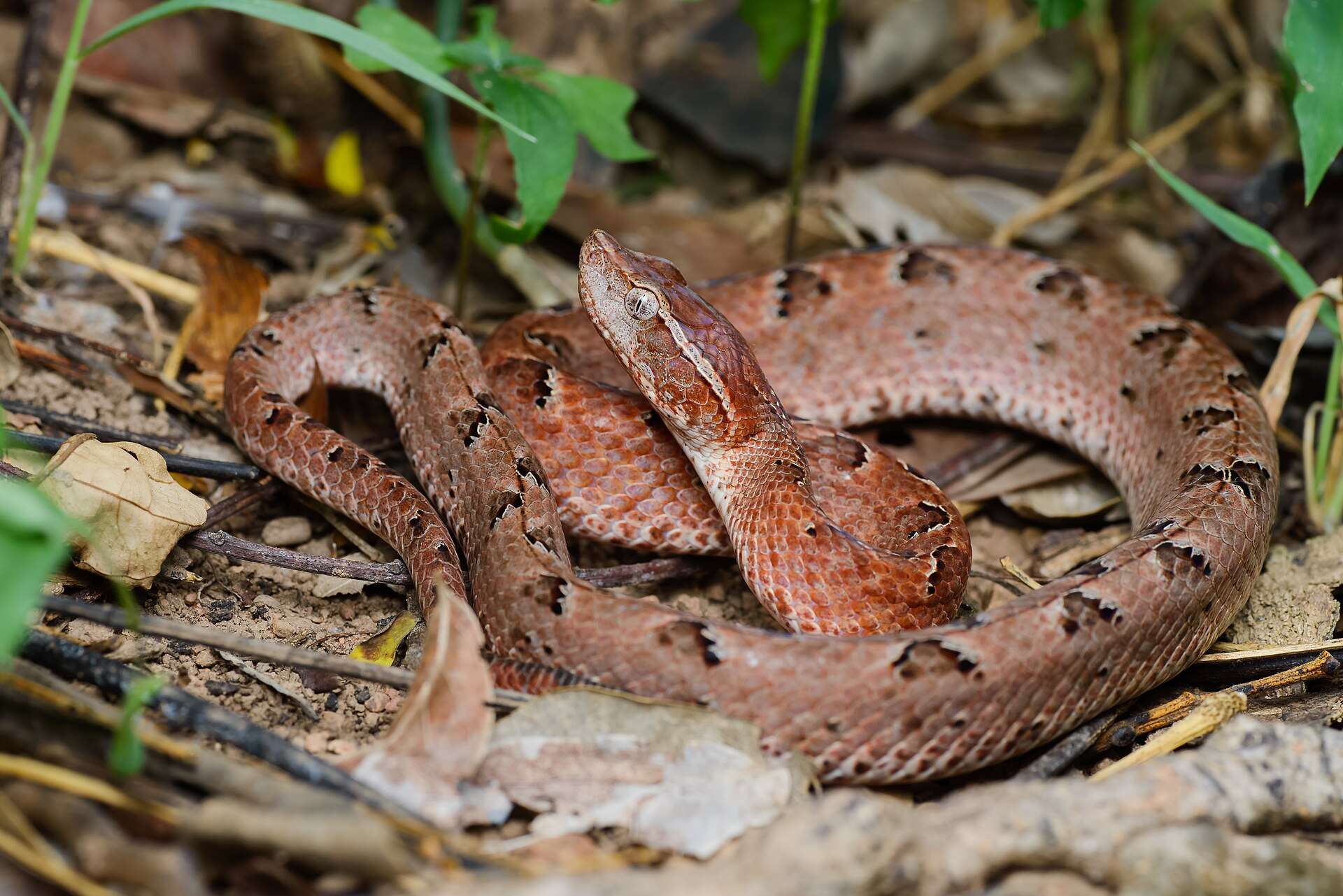
Calloselasma rhodostoma
South-East Asia
Medically significant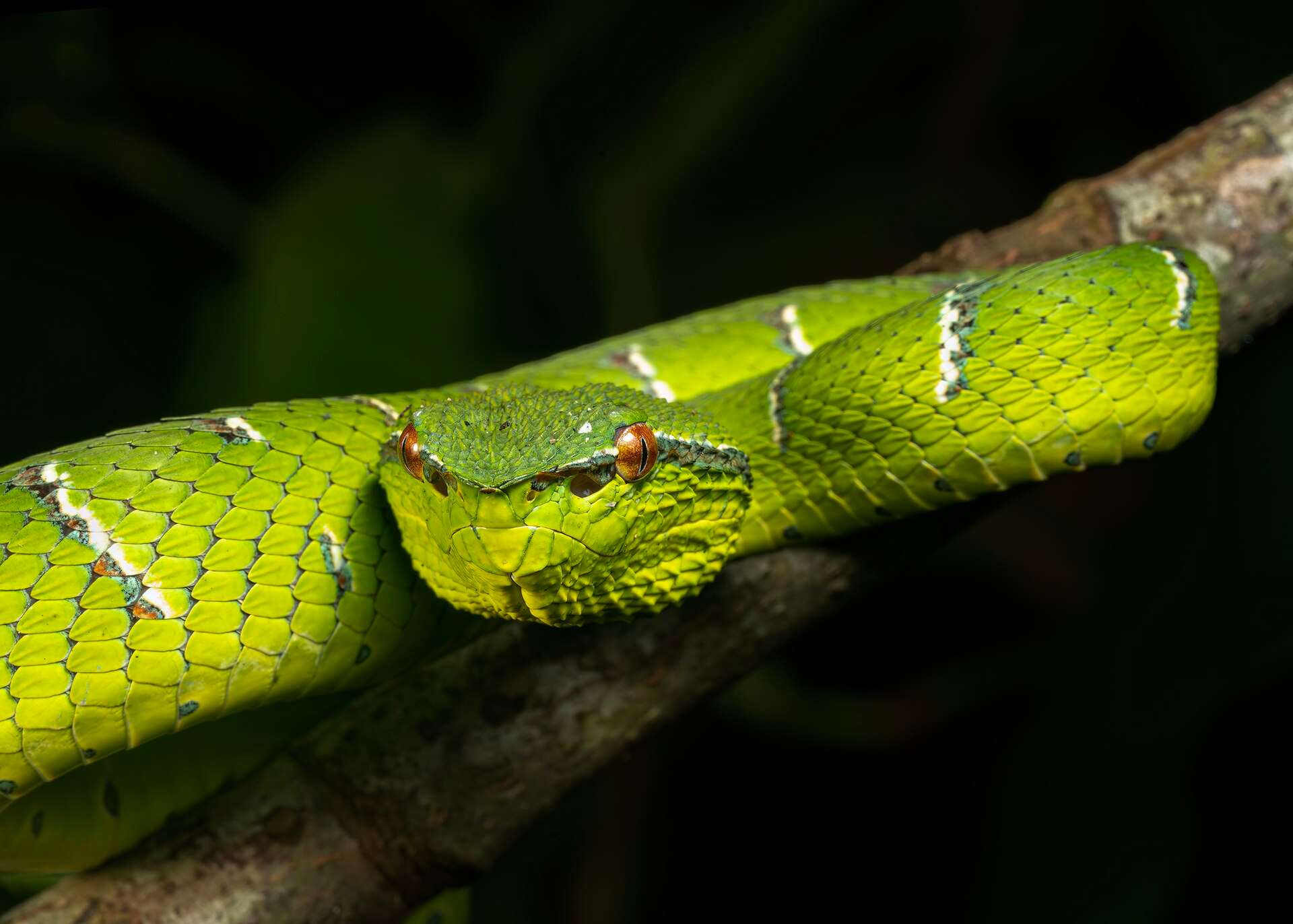
Tropidolaemus subannulatus
Philippines, Borneo and Sulawesi
Medically significant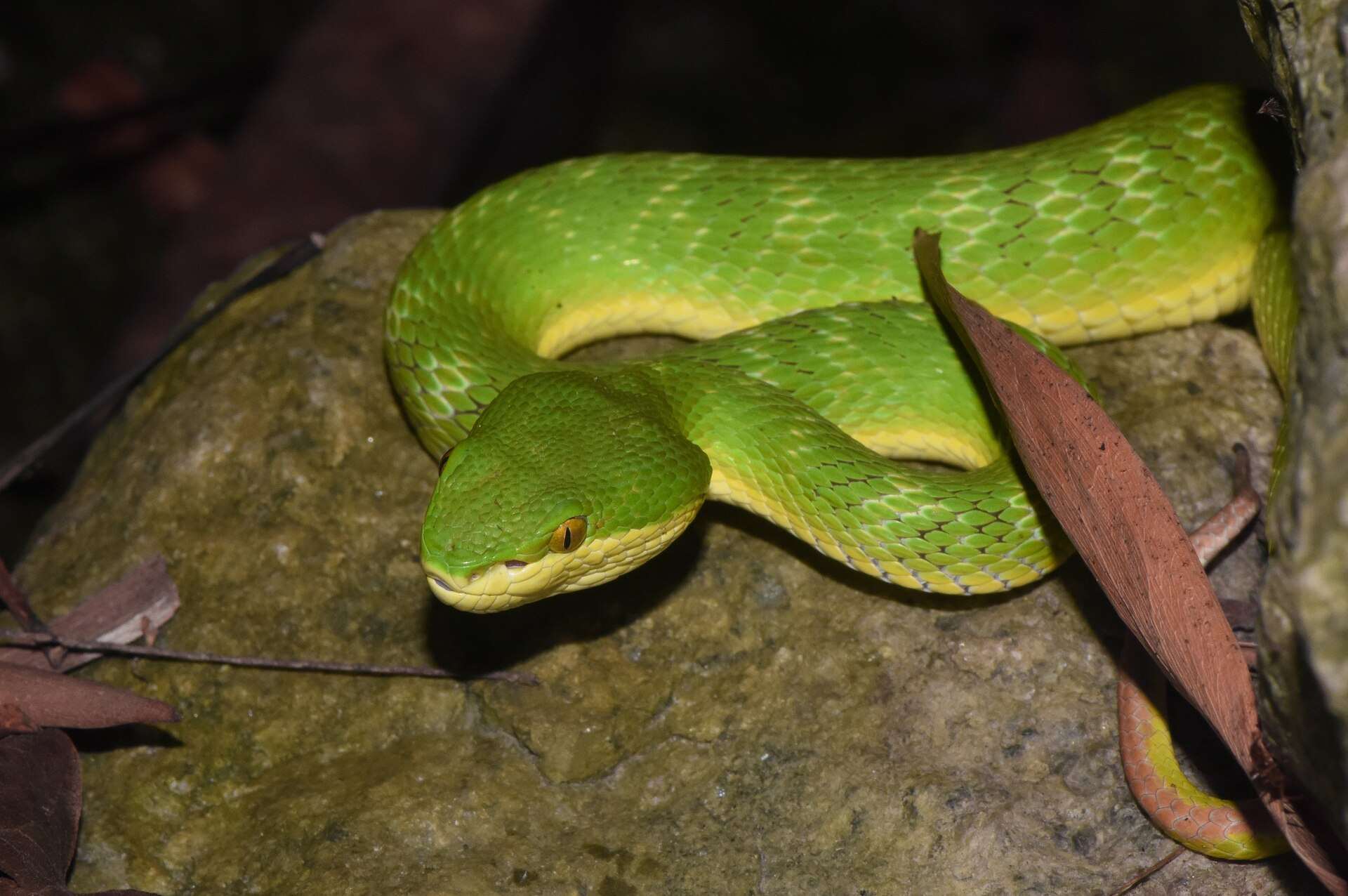
Trimeresurus albolabris
Southern China and South-East Asia
Medically significantLook-alikes
Harmless snakes are often killed because they look like dangerous ones. Learn the differences, and still never handle a snake.
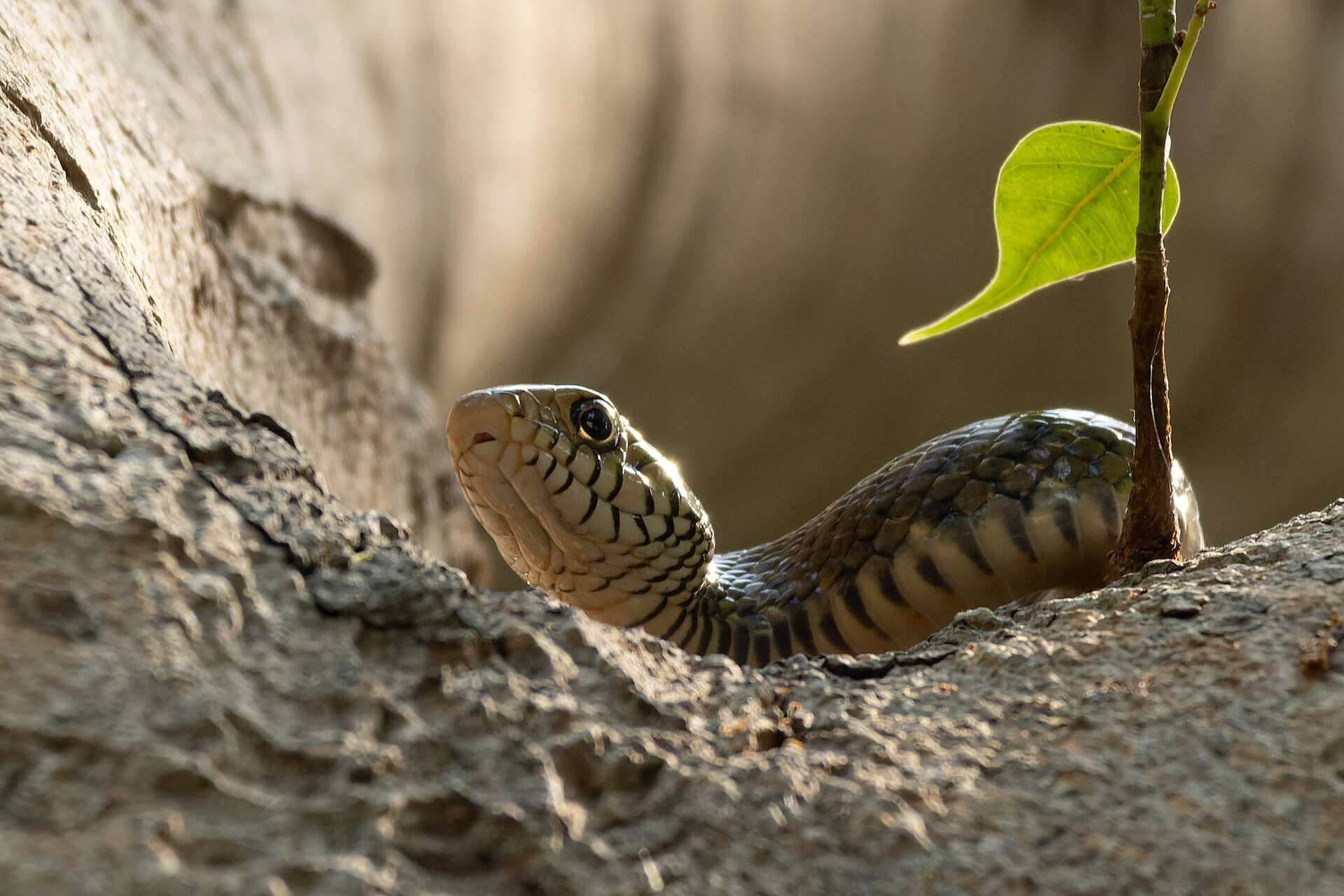
Harmless to people
They may still bite if handled. Give every snake space.
Every species
10 have a full profile so far. The others are listed by family, without a venom status until they have a sourced profile.
Source: Uetz, P. et al. (eds.), The Reptile Database, version 2026-06, via the Catalogue of Life (COL26.9). CC BY 4.0. Ranges in the source can be incomplete.
World Health Organization, Regional Office for South-East Asia. Guidelines for the management of snakebites, 2nd edition. 2016. iris.who.int
Patikorn C, Ismail AK, Abidin SAZ, et al. Situation of snakebite, antivenom market and access to antivenoms in ASEAN countries. BMJ Global Health. 2022;7:e007639. pmc.ncbi.nlm.nih.gov